Gabriel Travel
Gabriel Travel
Gabriel Travel
Planning a private guided tour of Prague and not sure what to expect? After years of leading private tours for families, couples, photographers and architecture enthusiasts from the USA, UK and beyond — our Gabriel Travel guides have heard every question. Here are honest answers to the ones we get asked most.
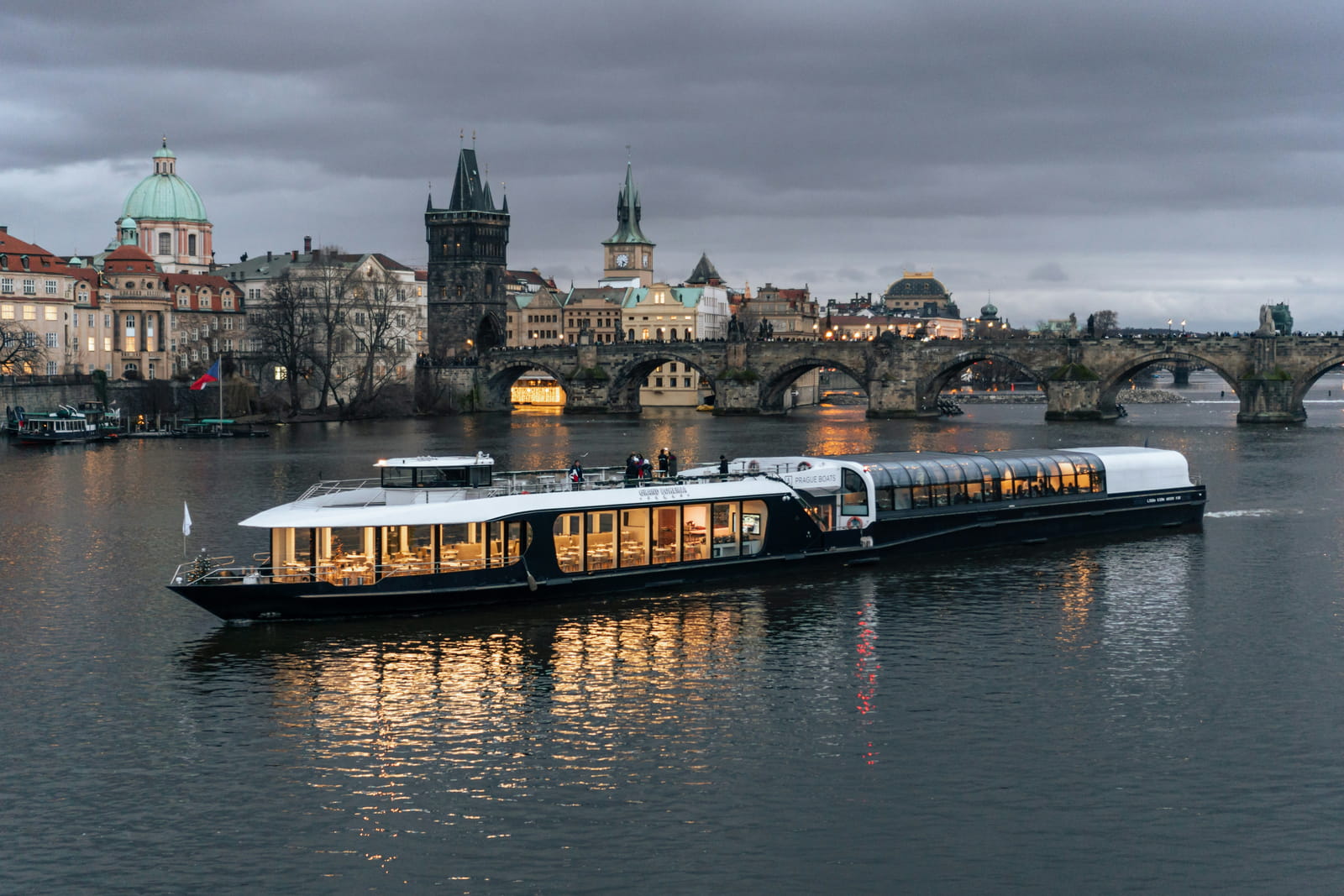
What is the best season to discover Prague? We would definitely recommend from May to November—when it’s warm but not too cold! But to be honest, it depends on what you like and what you’re looking for. Prague is just as beautiful in the cold winter months and can be absolutely magical under the snow! The Prague Christmas markets are world-renowned, and the crowds are very significant during this time of year. If you plan to come during this period, you’ll discover authentic and unusual Christmas celebrations and a very festive New Year’s Eve.
Generally speaking, there is plenty to do in Prague in winter! Good tip: February is the least crowded month, worth knowing if you want to enjoy lower prices and avoid mass tourism that can sometimes detract a little from the city. What’s certain is that there are festivals that liven up Prague all year round! To find out which ones will take place during your stay, use this month-by-month list. Checking the Czech weather can also help you decide! Remember that Prague, the “Golden City,” shines all year round, and depending on the month, you just need to choose the right activities — an area in which this blog will help you make the best choices.
Prague has a lot to offer… If you’re only going for a weekend, and to avoid the inevitable frustration of having to leave the City of a Hundred Spires too soon, make sure it’s at least two full days with 3 nights on site. Arriving on Friday evening and departing on Monday morning, for example. A 3-day stay seems less frustrating to me for exploring the many side streets and, above all, taking the time to stroll without rushing in a capital that reveals itself on foot.
In any case, here is the itinerary for a weekend in Prague — Prague Walk Day 1 and Prague Walk Day 2. Once you’ve decided, use our tips to make sure you don’t miss anything. And if 2 or 3 days won’t be enough to exhaust the city’s charms (which is likely)… no matter. You’ll do what many others do — you’ll come back, because a stay in Prague makes most people want to return!

Public transport in Prague is truly exceptional free of charge for children under 10, and even for the companion of a child under 3!, whether it’s the tram, the metro, or even the bus to get away from the airport and reach your city-centre hotel at a very reasonable price and very quickly. Car traffic is minimal in Prague. The historic centre and the Old Town are best explored on foot. Prague is also a very green city with large parks, islands (including the aptly named Children’s Island), and a great number of playgrounds absolutely everywhere (even at the foot of Charles Bridge!). Museums very often have departments dedicated to children. Festivals almost always offer workshops and games. You can buy children all sorts of treats, like an ice cream in summer (though the Czechs eat them year-round) or a trdelník, an iconic pastry, in winter.
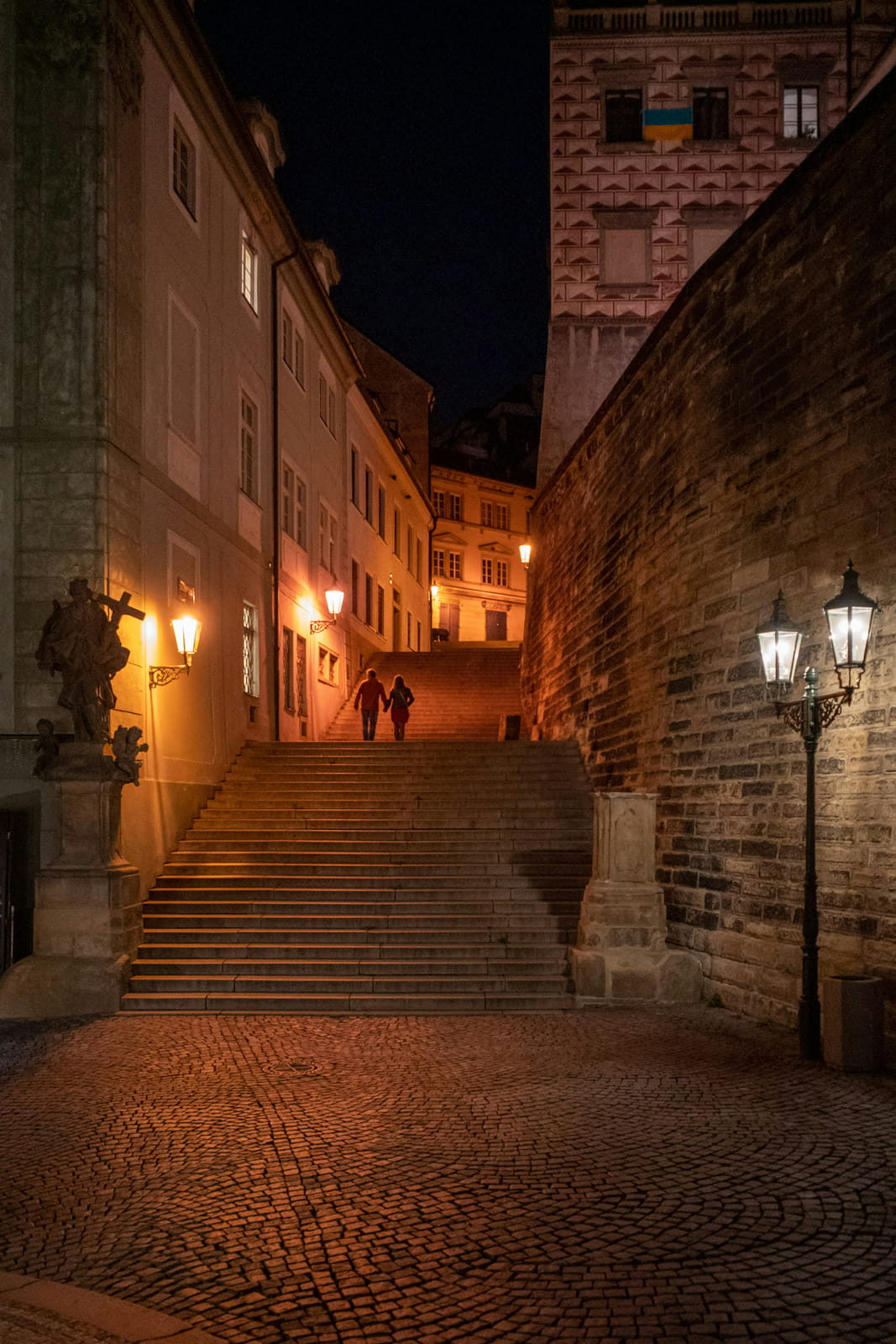
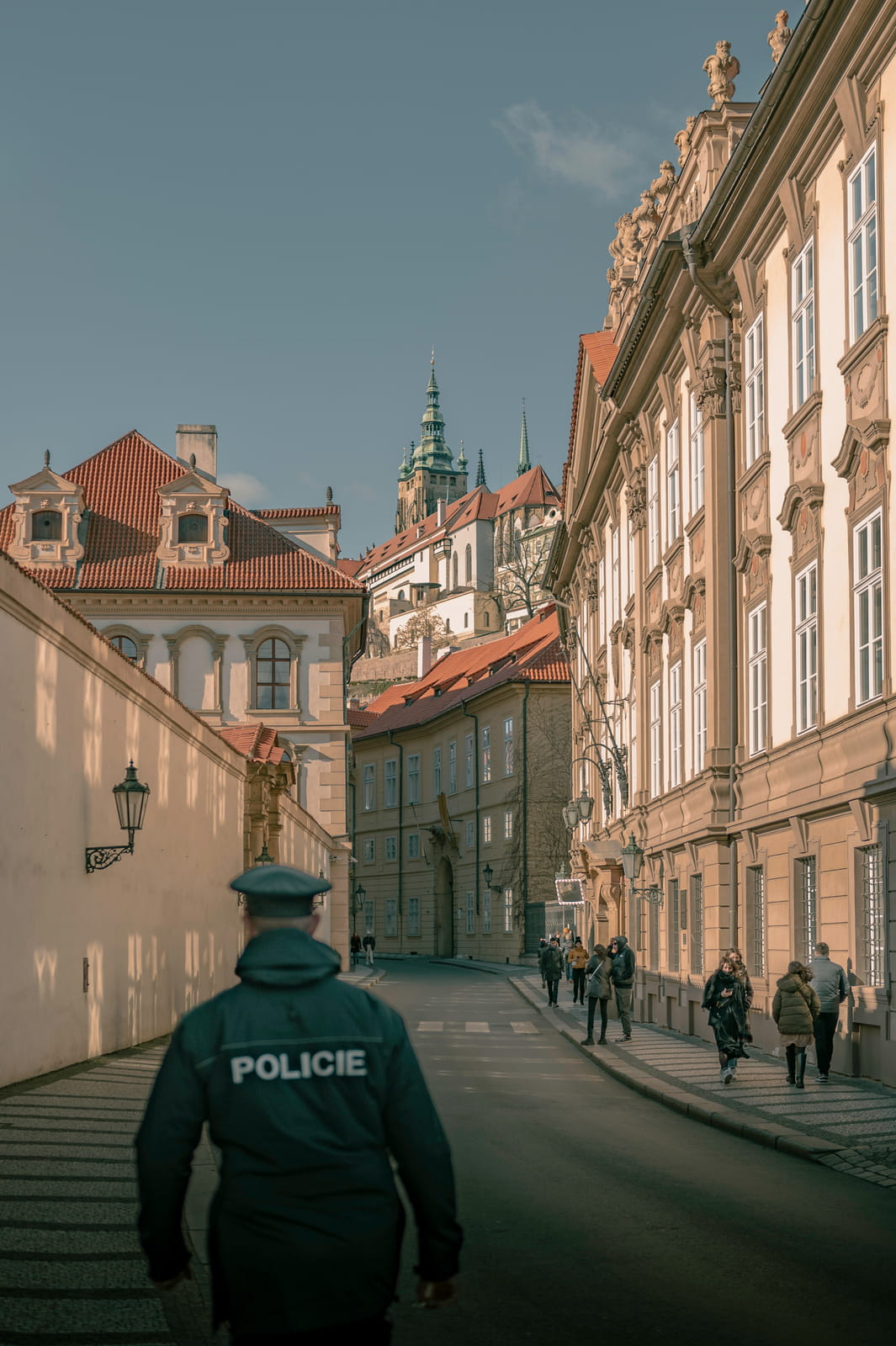
No, Prague, given its size, is not a dangerous city. On the contrary, it’s a very safe city! Nothing compared to any large European city, in our opinion. Certainly, the area around the train station isn’t always very appealing, and the Žižkov neighbourhood is still — in part — a working-class area. In short, no worries. At worst, be careful when crossing the road at pedestrian crossings (Prague drivers tend to go a bit too fast for our taste).
The real danger in Prague is getting scammed! Prague is a very touristy city and there are many scams at currency exchange offices, restaurants, and Prague taxis… Finally, know that in case of trouble, the police station right in the centre at Jungmanovo náměstí welcomes you 24/7 with an interpreting service in English and French. Good to know!

Prices are very reasonable in Prague. Accommodation, dining, and outings — you’ll treat yourself! Lunchtime meal prices in Prague for 2026 generally range from €6 to €15 for a main course, depending on whether you choose a local daily special or a more tourist-oriented spot. Weekday “lunch menus” (polední menu) are the most cost-effective option, often offering high-quality food for roughly 150–250 CZK (€6–€10). Local beer is often cheaper than foreign brands, with a 0.5L costing around €2–€3. Here are estimates for a weekend in Prague:
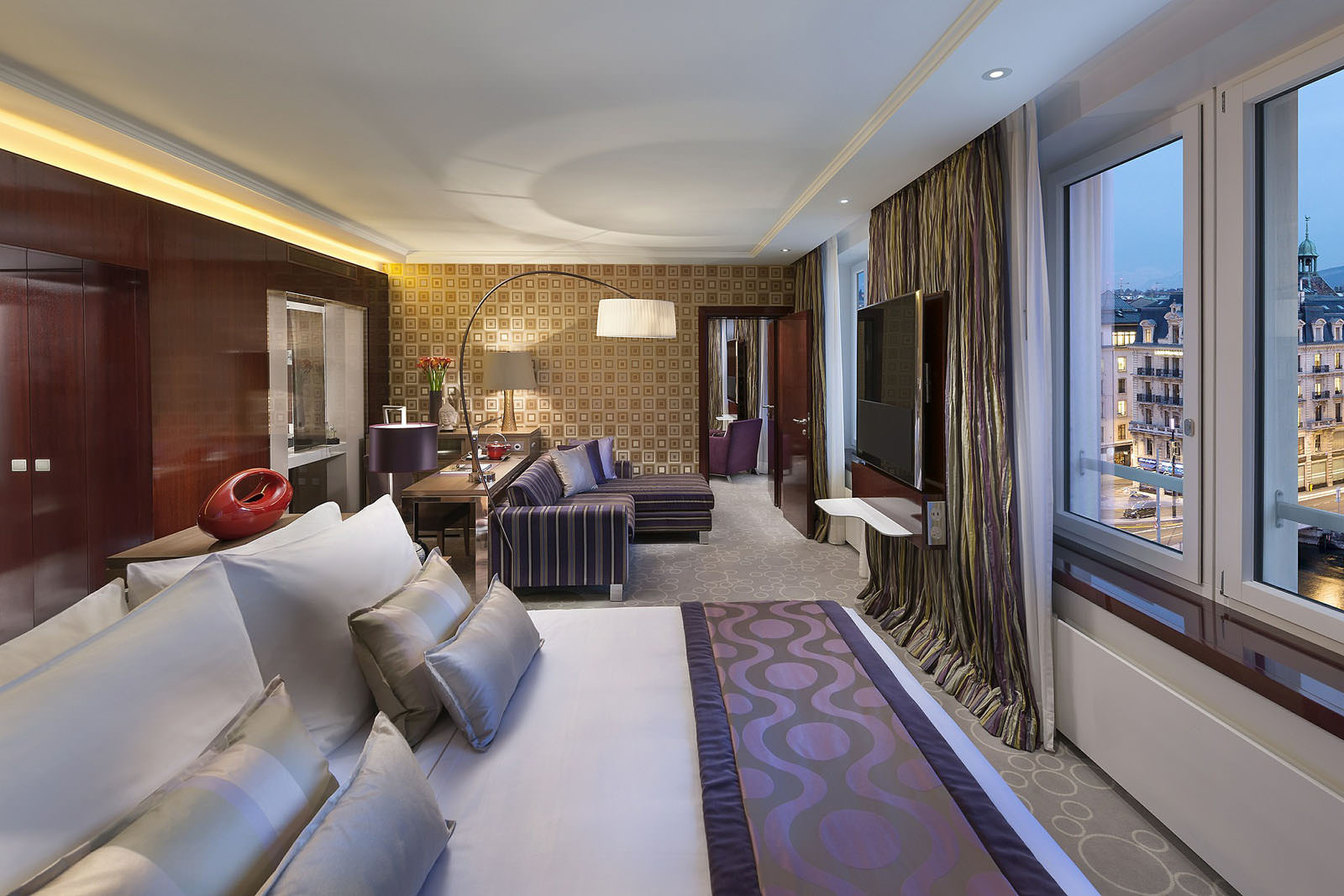
There are plenty of accommodation options in Prague. The choice of your accommodation is important — it’s also the beauty, comfort and tranquillity of the place where you’ll sleep that will make your stay in Prague a lifelong memory. It’s really a bit sad to hear that a couple is staying 25 minutes by metro from the historic centre, or to see a family checking into a city-centre hotel that overlooks a very busy four-lane road…
But there are also neighbourhoods worth recommending in Prague, nice districts to set down your suitcases. It also depends on your expectations — there’s something for everyone:

Nothing too special, it all depends on the season, of course. In winter, and although snow has become rare in recent years, it’s quite cold, and a hat, scarf and gloves will be very useful. No heels for the ladies, however, because Prague is a city covered in small cubic cobblestones and you could twist your ankle — good trainers are recommended instead.
A small thing that you don’t always think of but which is important if you want to attend a concert or opera at the National Theatre or the State Theatre: a dress and a suit. Indeed, the Czechs are music lovers and take great pride in dressing smartly for this kind of event. But don’t worry, you’ll always be let in! It’s just that you might feel a little out of place… Finally, make sure to leave a little room in your suitcase on the way there so that you can bring back one or two nice souvenirs from Prague.
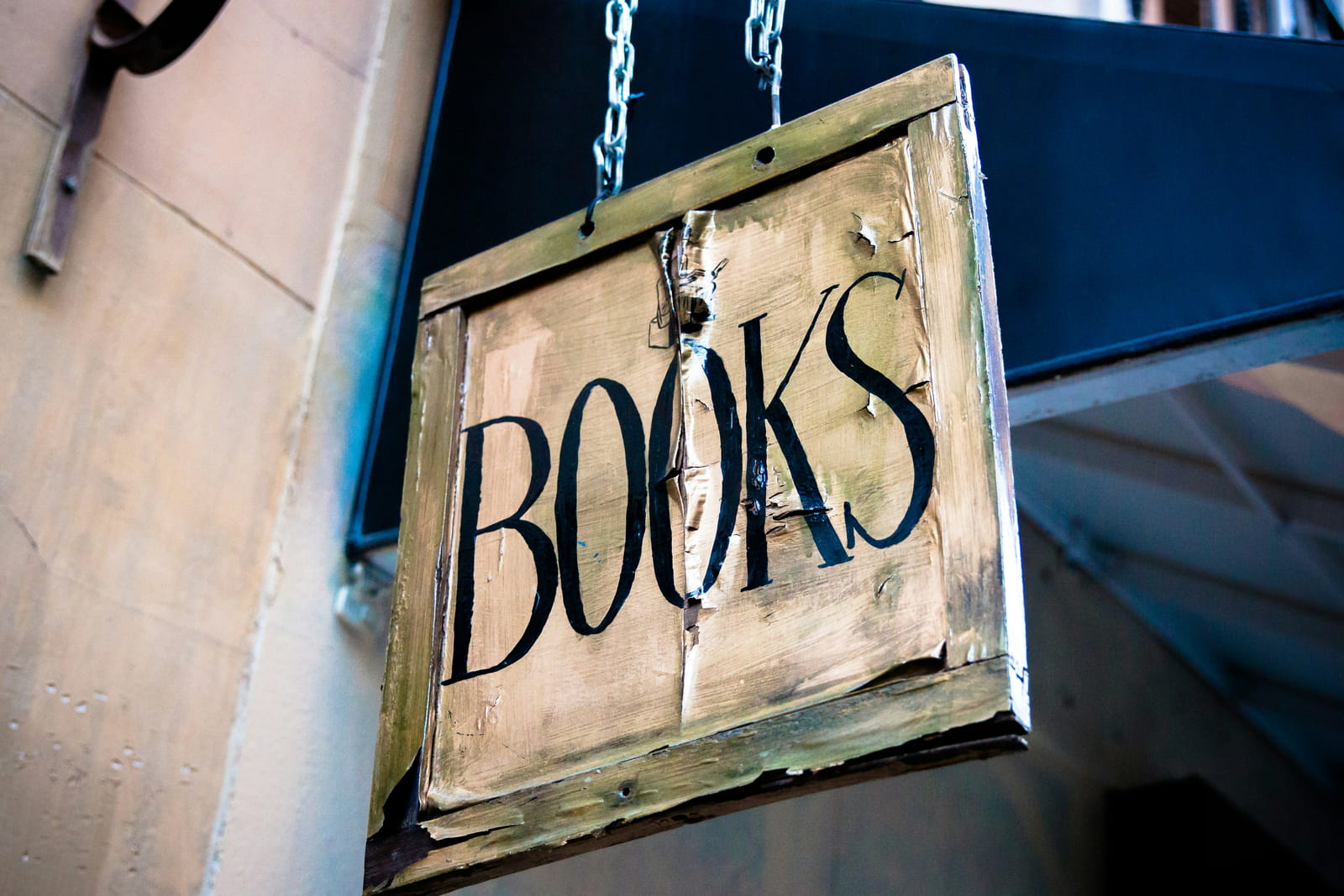

Kafka, Čapek, Kundera, Hašek, Hrabal, Škvorecký, Klíma, Fuks — these famous Czech authors have been translated into many foreign languages — we can recommend, for example, The Unbearable Lightness of Being by Milan Kundera (adapted into a film), The Good Soldier Švejk by Jaroslav Hašek — a character so popular that a chain of breweries bears his name in Prague.
What is also noteworthy — novels Too Loud a Solitude and Closely Watched Trains by Bohumil Hrabal — nicely adapted into a film by Menzel, The Crematorium by Ladislav Fuks (a superb film adaptation as well), and Passage by Karel Pecka, whose action takes place entirely in the famous Lucerna passage.
You can also trust Angelo Maria Ripellino, this Italian author in love with Prague, and his famous Praga Magica — a fascinating portrait of the “Golden City.” Not to mention all those books whose plot or part of it is set in Prague: Zuckerman Bound by Philip Roth, The Spy Who Came in from the Cold by John le Carré, The Cemetery of Prague by Umberto Eco, and The Secret of Secrets by Dan Brown.
Finally, there is a great school of photography in the Czech Republic and many monographs have been published in English on Drtikol, Sudek, or Koudelka.
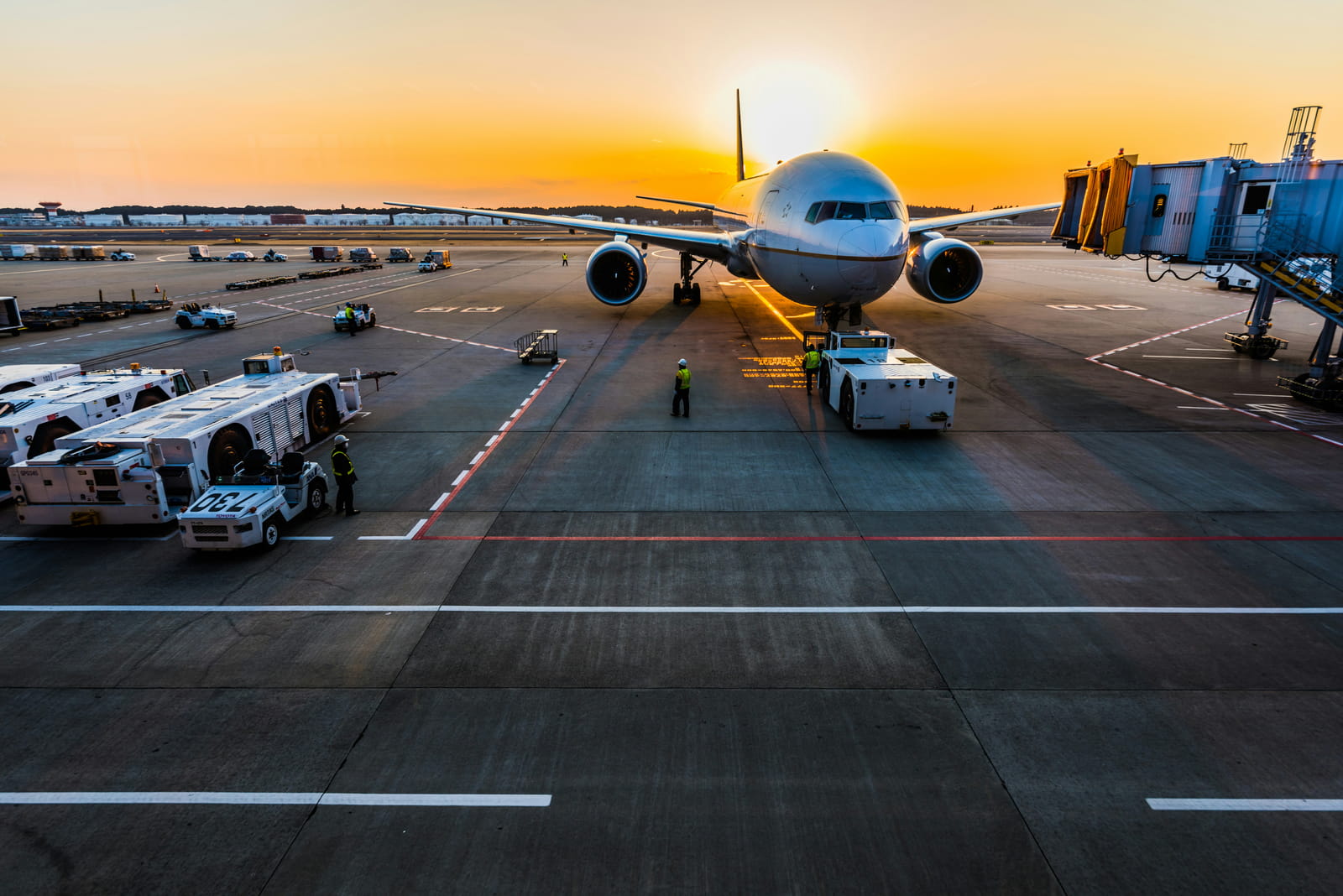
Nothing could be easier! The Czechs are well-organised people who don’t like to complicate things. That’s also why you’ll find a supermarket at the airport (on the ground floor, between terminals 1 and 2), a really affordable restaurant (on the first floor of terminal 1), and there are plans to one day bring the metro right to the foot of the planes…
Same goes for the transfer between the airport and your hotel — it’s very easy and convenient. You’ll find the bus stops right as you exit the terminal. Very simple! Also know that the journey to the centre takes 30–35 minutes, costs 40 CZK (less than €1.60), and is free for children under 10 and the companion of a child under 3! If you’re in a hurry, you can use the taxis parked in front of the airport (all licensed and reputable) or call Uber or Bolt — both companies are very popular in Prague.
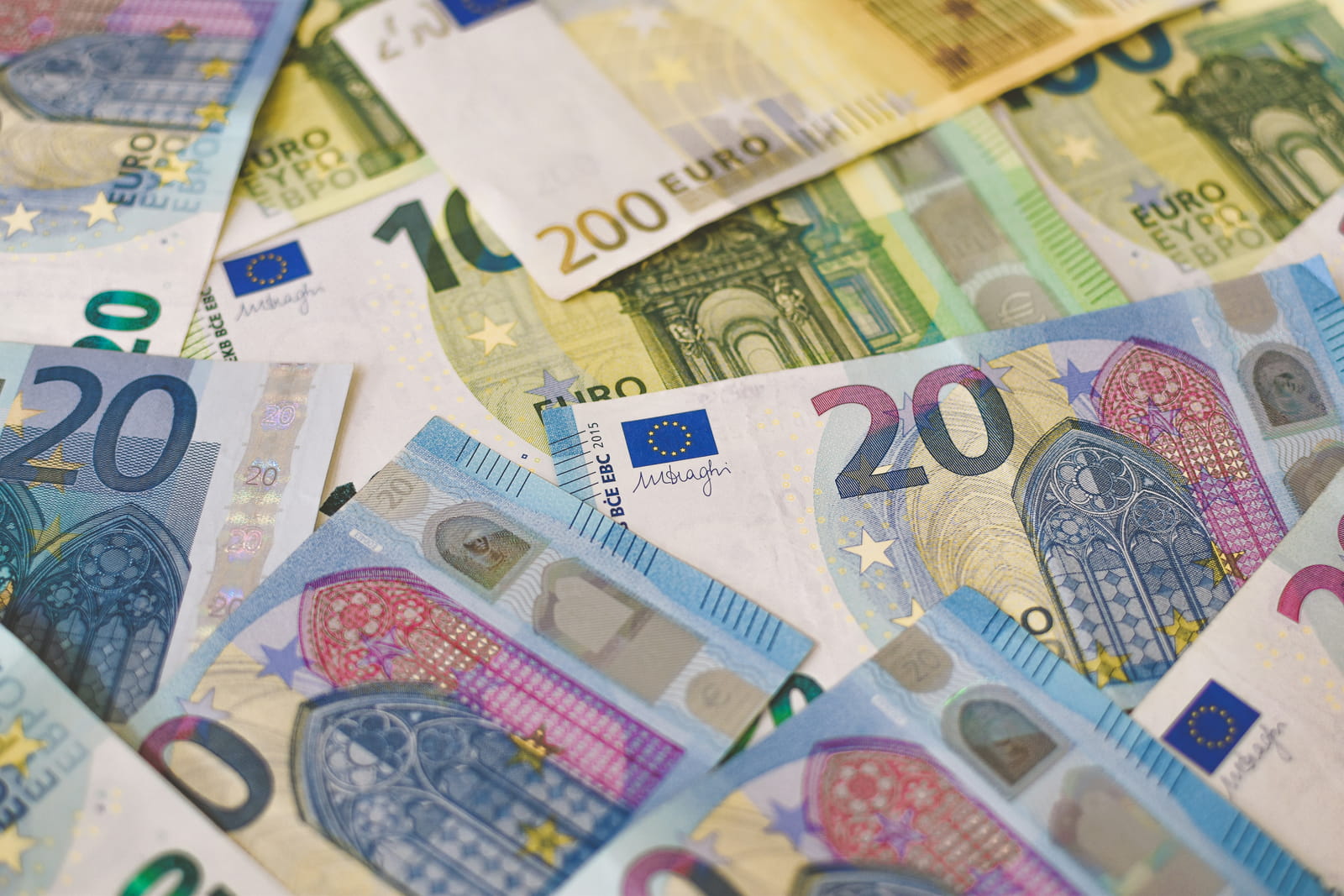
Definitely not at the airport! That’s one of the mistakes too many tourists make in Prague. And don’t forget to check the up-to-date exchange rate at the time of your stay to avoid being robbed.
If you’re planning to exchange a larger sum of money: Exchange CZ Štefánikova 23, Prague 5
For exchanges of 20 to 200 euros or USD, it’s quicker to stop by the Palladium shopping mall: Alfa Prague náměstí Republiky 1, Prague 1
In any case, in Prague, always decline the conversion offered by an ATM (but also by a shop or restaurant) — never accept it, or you’ll be at a great disadvantage! And one last tip: above all, do not use any of the very numerous ATMs with the “ATM” label — you’ll be scammed with an outrageous conversion rate and fees, as you’ll learn in this video. You could lose up to 30% of your money! These thieving ATMs are often set into the facade of a hotel or shop.
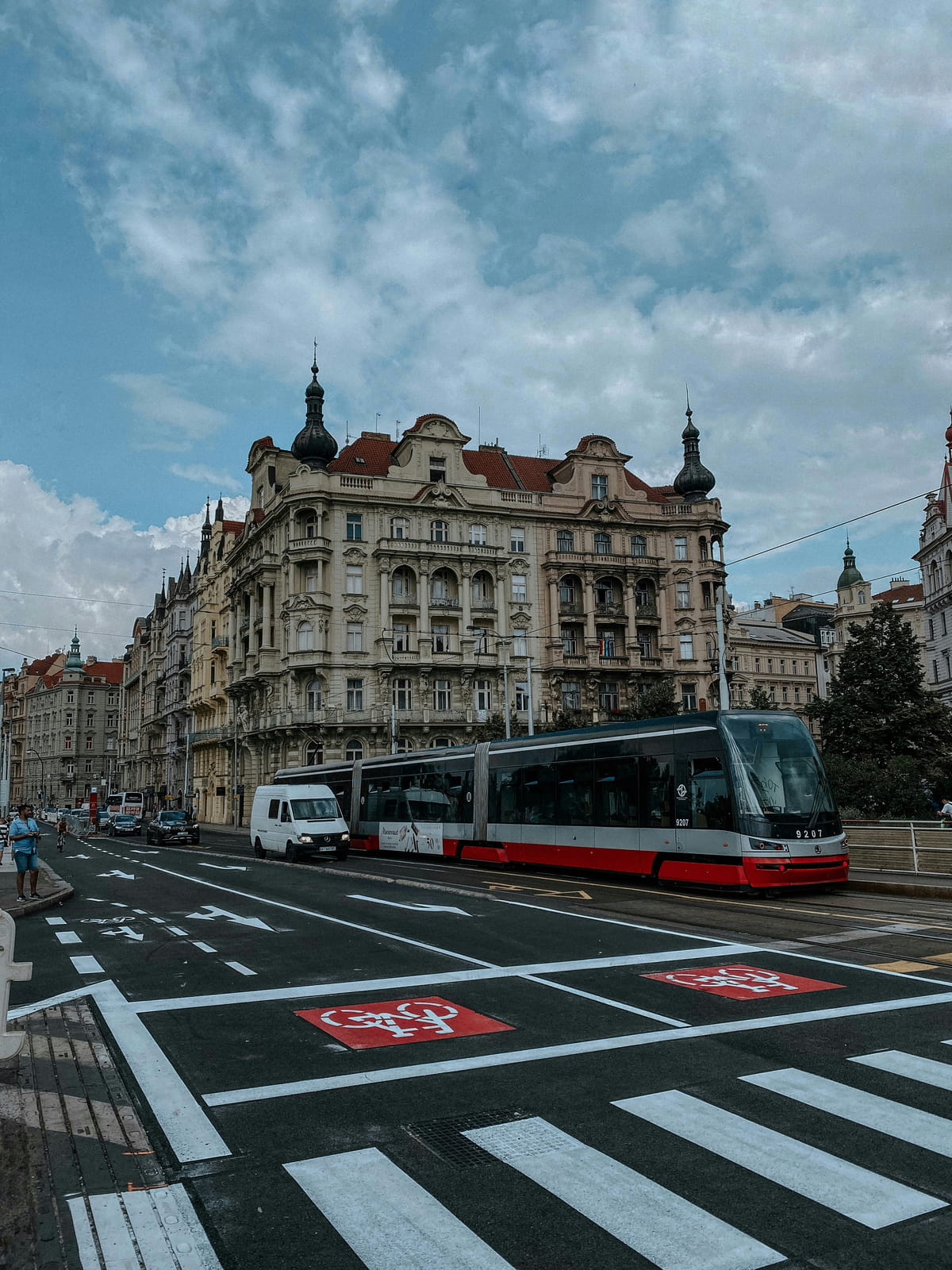
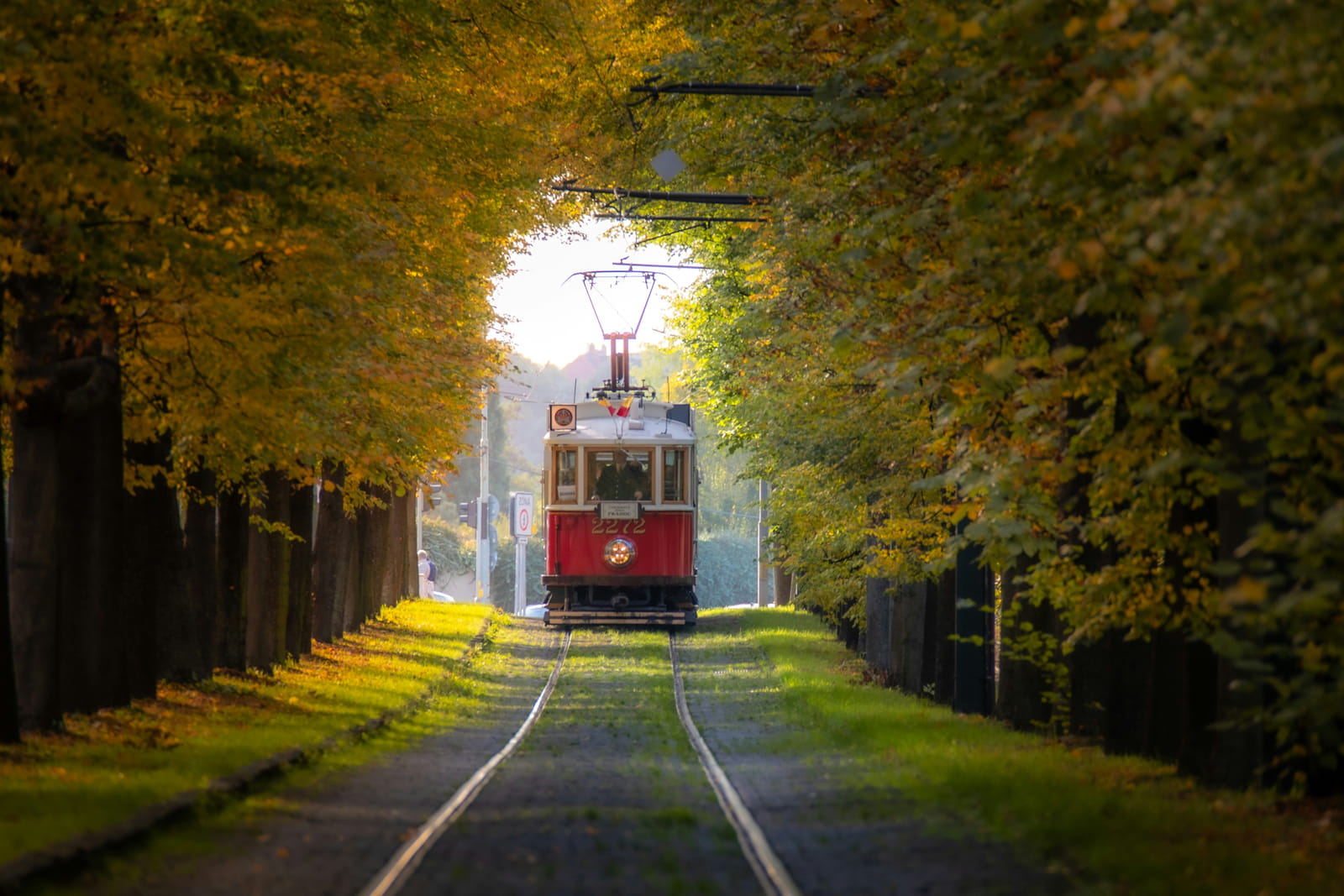
Public transport is absolutely incredible in Prague! Never a strike, almost normal operation on weekends and public holidays, trams and buses all night long — which is very handy for night owls… We often recommend taking historic tram 41, vintage line 42 or line 23 — end to end for a nice overview of the city.
That said, and especially for a short stay, you’ll likely do everything on foot! Because Prague is best discovered on foot, which makes it even more enjoyable. Your only use of the metro might be limited to the transfer (very affordable, as explained above) to and from the airport. As for taxis, read the article on the subject to avoid scams, or use the Uber or Bolt apps.
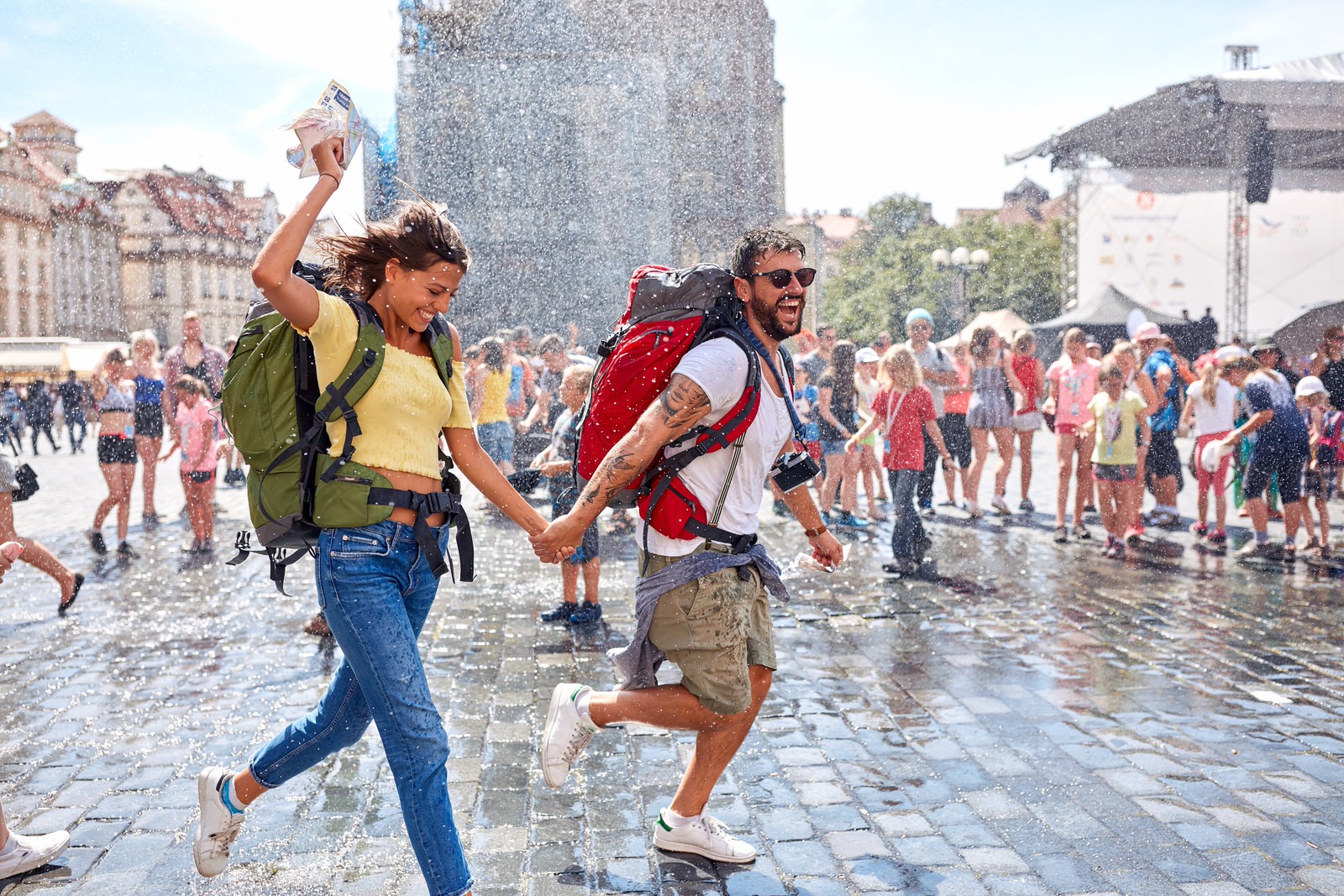
There are of course a few must-sees in Prague, here they are, more or less in order:
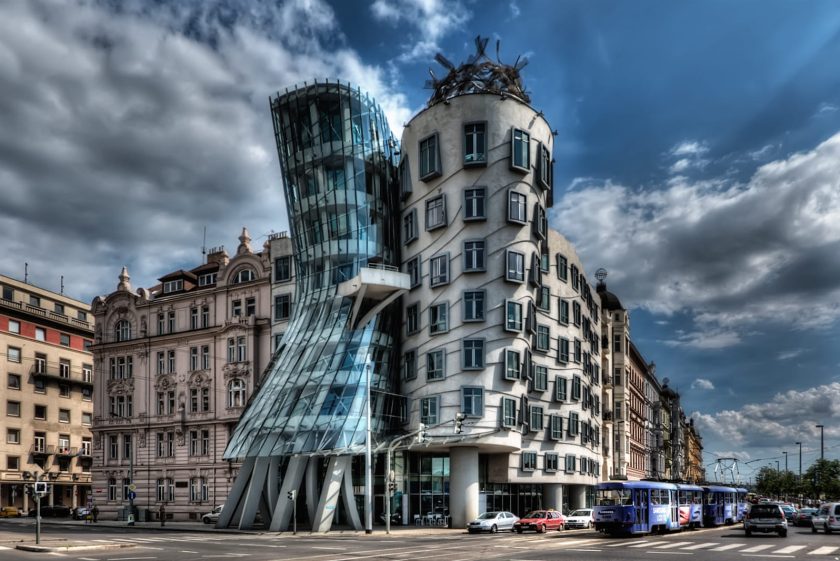
So there’s the essentials, to which you can add, if time permits, Vyšehrad, Vítkov, Petřín, Dancing House, or two neighbourhoods a little off the beaten path but only 5 minutes from the historic centre, such as the bohemian neighbourhood of Vinohrady or the gentrified working-class neighbourhood of Žižkov.
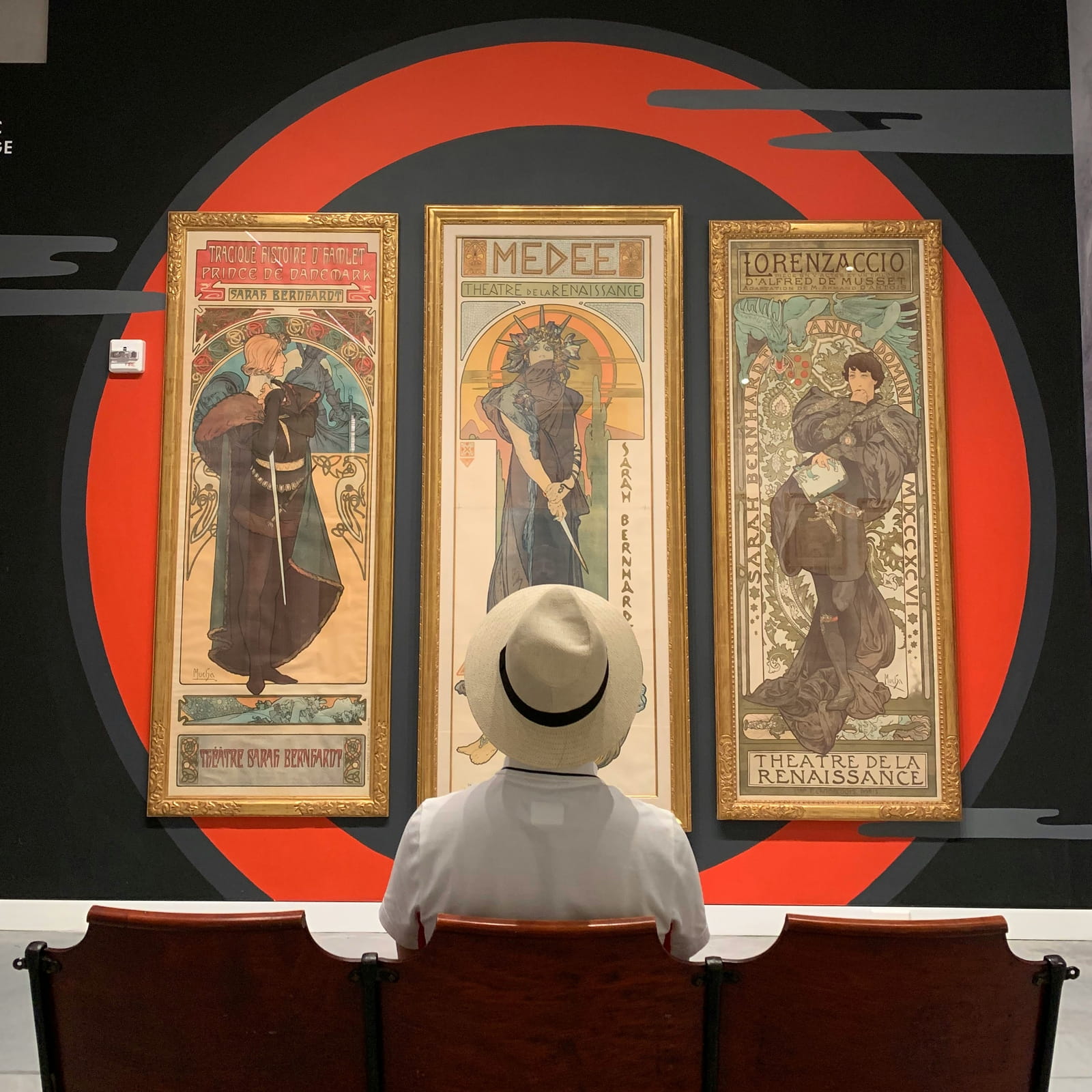
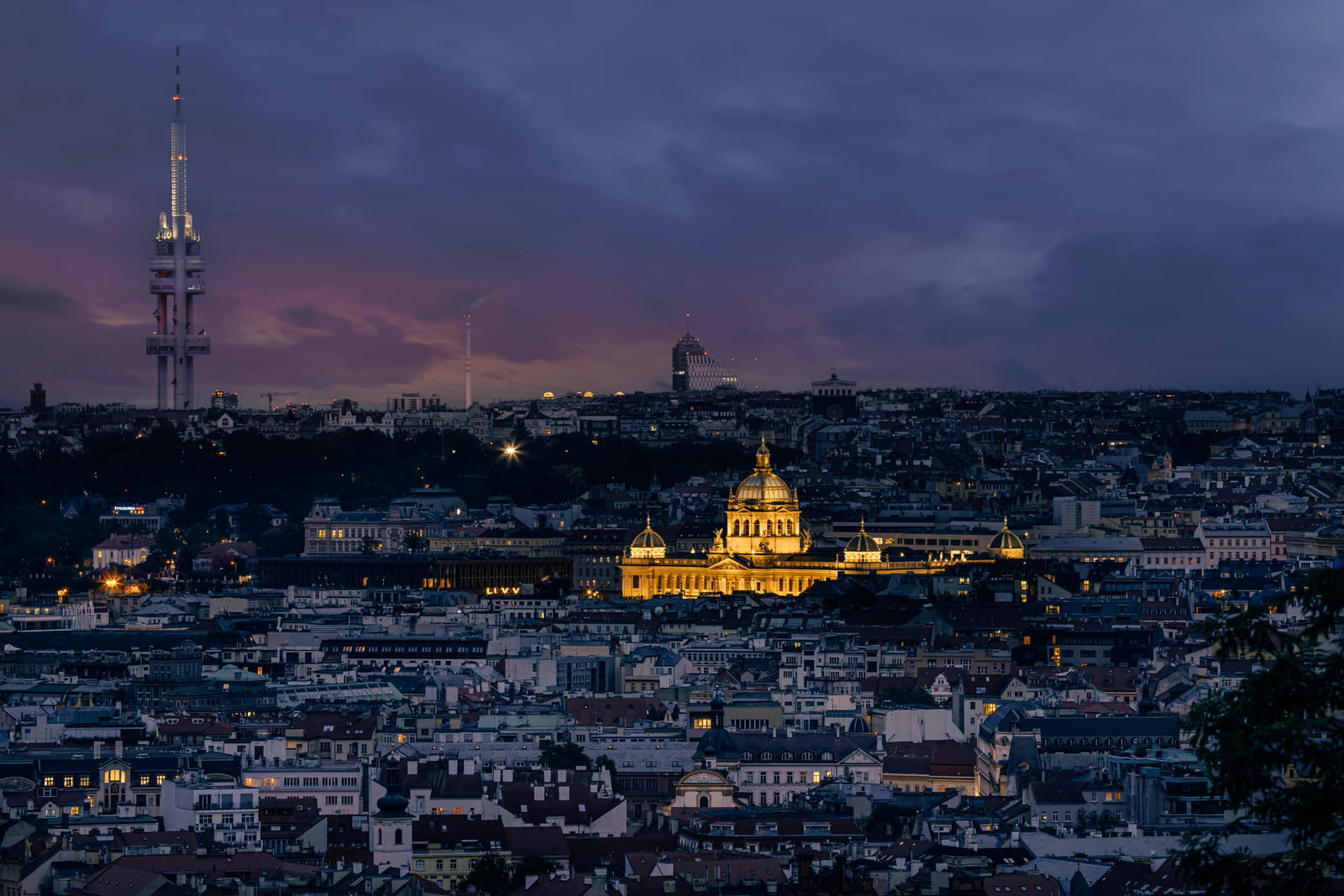
Prague is not a city that will surprise you with its museums. It is above all a city with incredible architecture that you walk through on foot, nose in the air, to admire all those incredible details hidden even on the rooftops. That said, there are three or four museums we would recommend. The National Gallery and its collections at the Trade Fair Palace, the National Technical Museum, and the Mucha Museum are among them. A list to which you could add the Museum of Communism, where the Czechs themselves don’t go but which deserves a visit — it’s a very instructive and enlightening museum for anyone with fairly limited knowledge of Czechoslovakia under Communist rule. On the other hand, avoid all these tourist traps: the torture museum, the chocolate museum, etc. There are an enormous number of bogus museums in Prague — stay vigilant!
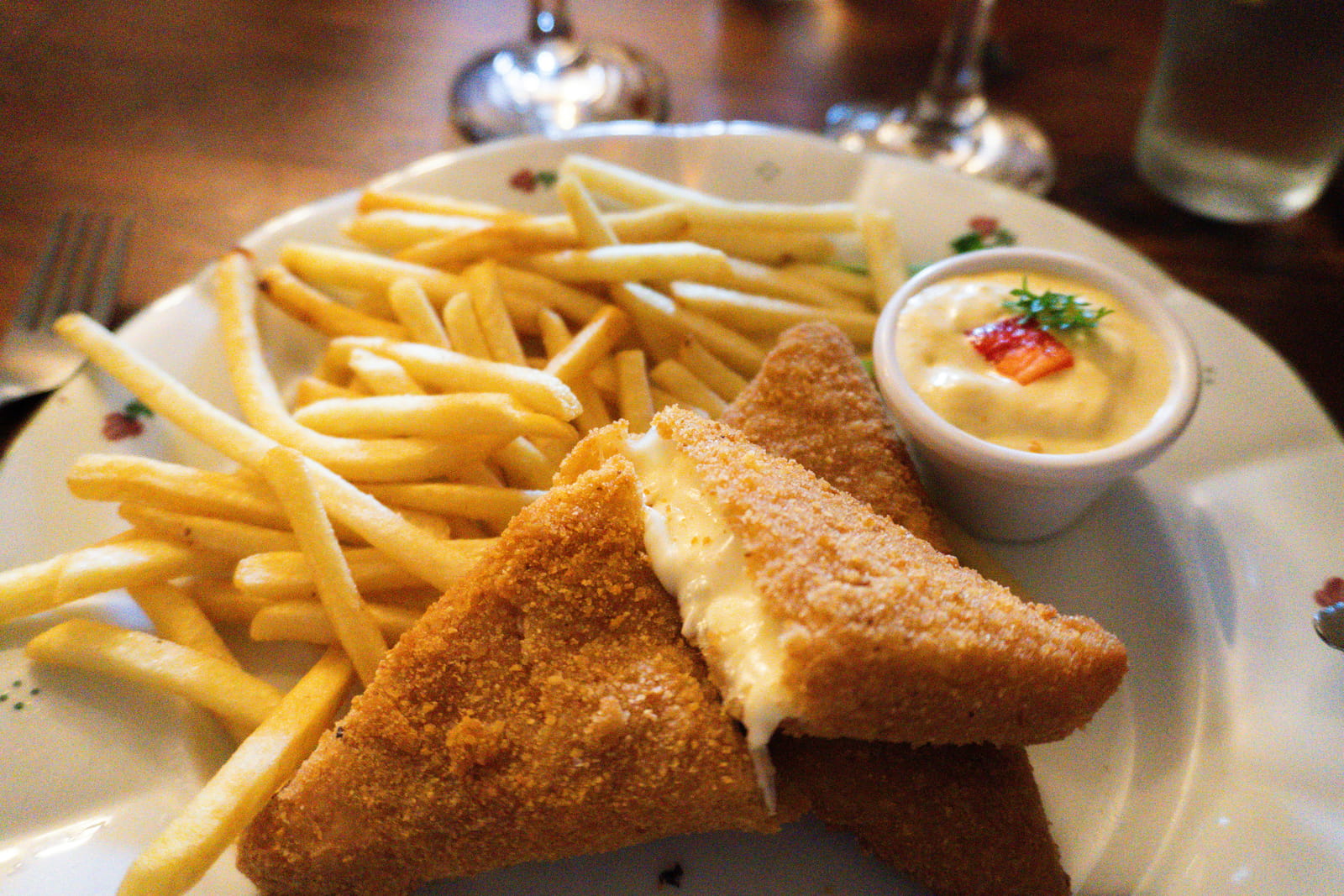
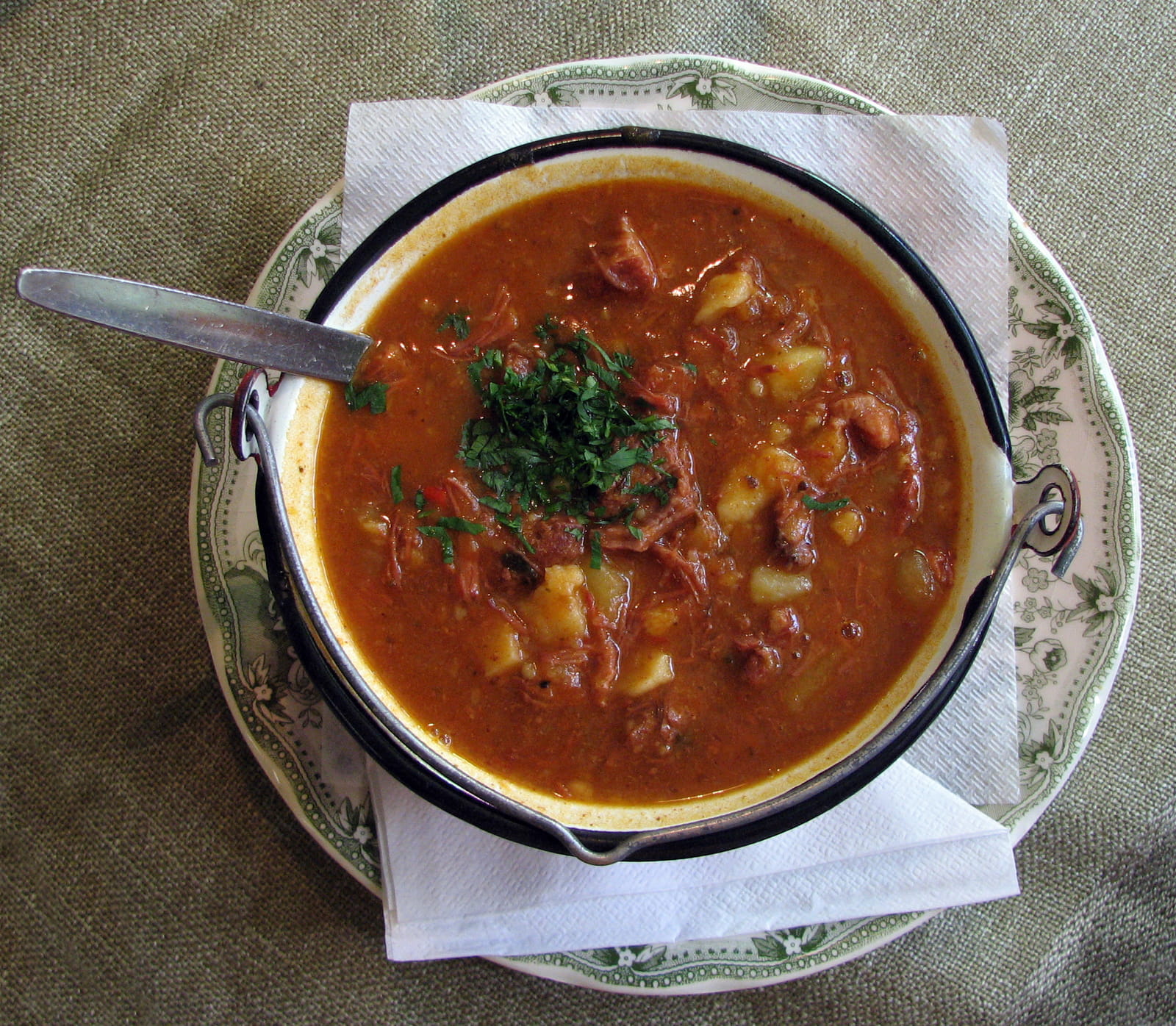
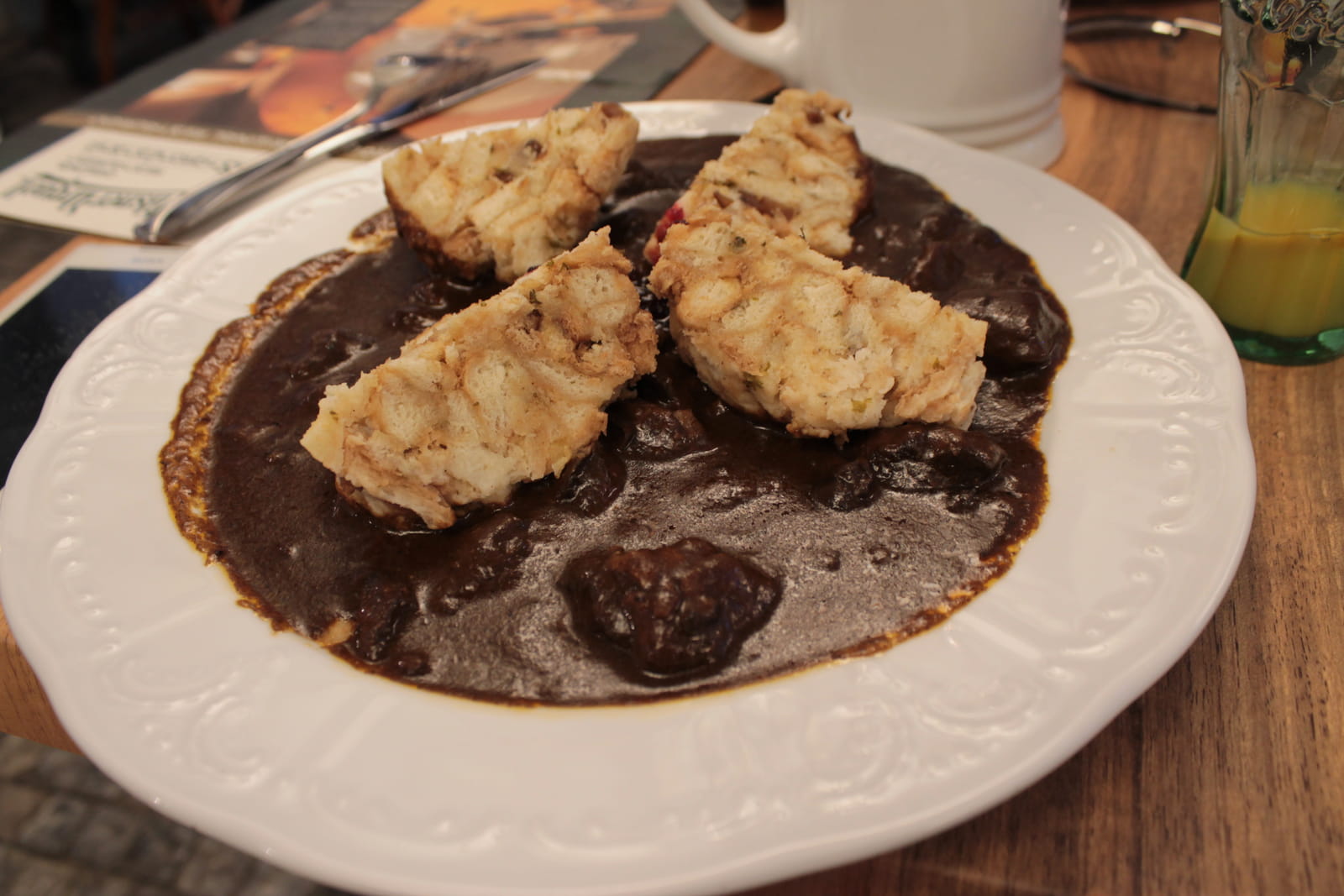
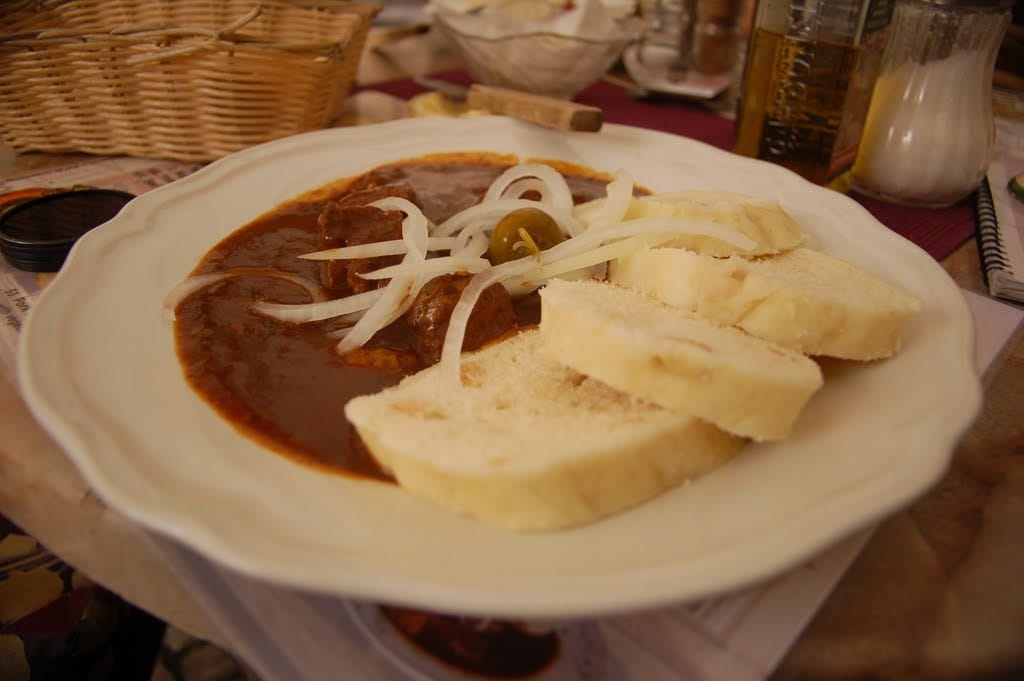
There are 2–3 specialities that you absolutely must try during your stay in Prague. Besides beer of which the Czechs are by far the world’s biggest drinkers — you’ll probably try the trdelník, this pastry cooked on a spit that you find on every corner of the Old Town and that will warm you up in winter. Czech cuisine offers hearty, filling fare that’s perfect after a day of sightseeing. Among the must-try dishes are fried cheese (smažený sýr), duck with red cabbage, and traditional goulash — all staples of Czech dining. Vegetarian travelers needn’t worry, as meat-free restaurants are plentiful. Budget-conscious visitors can enjoy delicious street food throughout the city. And here’s a bonus tip: Prague’s Vietnamese food scene is surprisingly excellent and well worth exploring.
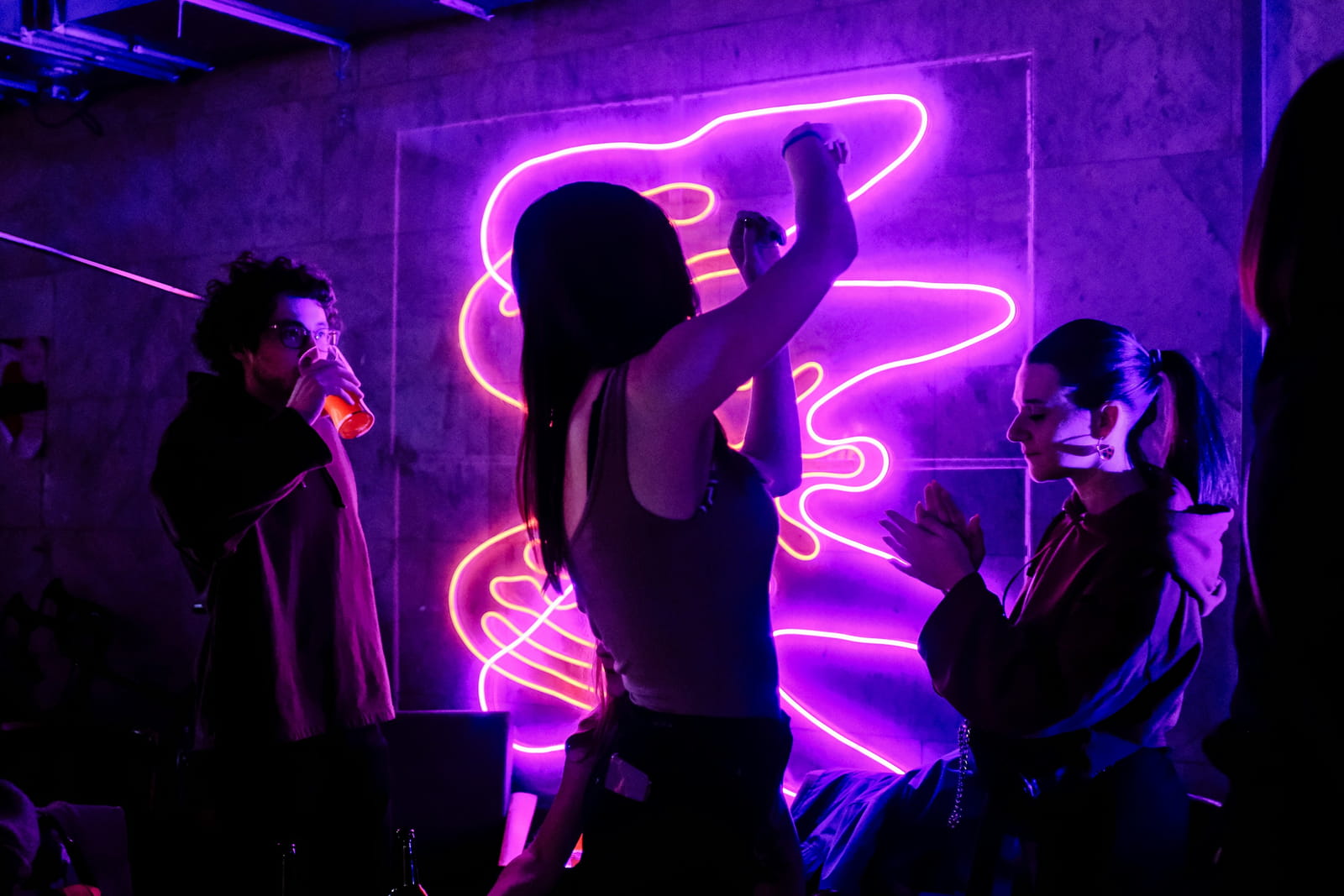
Yes, Prague is a city where people love to party. First of all, the Czechs don’t have a habit of hosting at home — they socialise outside, at restaurants or bars. Next, buoyed by its economic dynamism, Prague is a city that attracts many young foreigners and expats who go out a lot. Finally, many tourists come to Prague to party and take advantage of the low local prices (between €2 and €3 for a half-litre of beer).
Locals, expats, and tourists therefore meet up in Prague’s restaurants, bars here and here, and clubs — which they can leave very late since there are night trams and buses. You can also go out in Prague every evening of the week, Sundays included! On the other hand, don’t be surprised if the atmosphere isn’t electric on certain weekends: a very large number of Prague residents leave the city on Friday afternoon to go to their little chalet or country house.
Finally, when you go out, be respectful of others’ sleep and of the neighbourhood’s residents. The city of Prague has taken this noise problem seriously, and it can result in fines. In certain neighbourhoods (notably the famous Dlouhá street in the Old Town), it’s actually best not to set down your suitcases if you want a peaceful night’s sleep. For safety tips, check out this guide on neighborhoods to avoid.
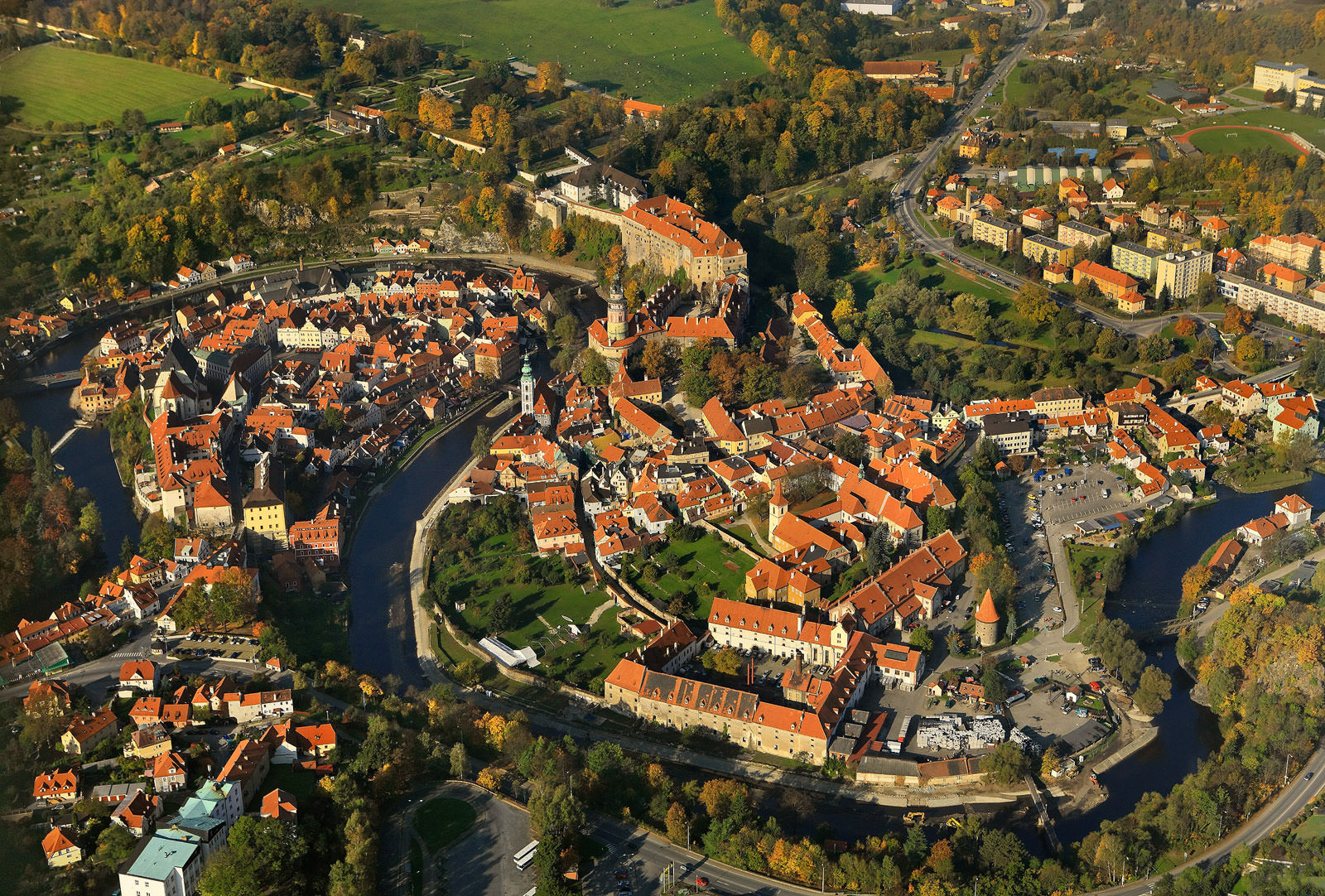
For a day trip that is very easy to organize by train, we recommend Karlštejn Castle, straight out of a fairy tale (with numerous walks of varying lengths to do in the surrounding countryside), or the impressive bone church of Kutná Hora, which won’t leave you indifferent! For a two-day getaway with a night spent outside Prague, we suggest heading to Český Krumlov, the most beautiful city in the country after Prague, the peaceful spa town of Karlovy Vary, or renting a traditional mountain chalet in the lovely Giant Mountains!

Crystal, design objects, jewels with garnets, movie posters … and a little stuffed mole for the kids! Check out the article about a final day in Prague. And avoid the faux pas! Don’t buy souvenirs referencing the communist past of former Czechoslovakia (such as a tee-shirt with a hammer and sickle, or a fur hat with a red star). It would somewhat upset the sensitivity of the Czechs, who turned the page on this dark chapter of the country’s history in 1989. Same goes for Russian nesting dolls, which, although present in most souvenir shops, have nothing Czech about them, as their name implies.
The difference is particularly noticeable at lesser-known sites — Cubist architecture, hidden courtyards, the Jewish Quarter’s layered history — where context transforms what you see from interesting to unforgettable.
For families with children, private tours are especially valuable — the guide adapts the content, pace and route to keep everyone engaged rather than following a fixed group schedule.
With Gabriel Travel every tour is private by definition — we never combine different bookings into shared groups. Your guide’s full attention, knowledge and time is yours for the entire tour.
Our most popular duration is 4 hours — long enough to go beyond the surface without exhausting anyone.
You can also combine elements from different tour categories — an architecture walk followed by a concert, or a photography session followed by a river cruise. Use the Custom Requests field when booking or contact us before.
For younger children we focus on the stories and legends — the astronomical clock’s figures, the good luck tradition on Charles Bridge, the hidden passages and courtyards children love discovering. For teenagers the history of communism, the Jewish Quarter and Prague Castle work particularly well.
Prague itself is very family friendly — compact, walkable, safe and endlessly interesting at every age.
As local guides we always brief our guests on the specific areas to be aware of and keep the group moving through the busiest spots efficiently.
Spring (April-May) — arguably the best time. Warm enough to walk comfortably, crowds not yet at peak, the city’s gardens and parks are beautiful.
Summer (June-August) — warmest weather, longest days, most tourists. Charles Bridge and Old Town Square are extremely busy — early morning visits essential.
Autumn (September-October) — our personal favourite. Cooler, golden light, fewer crowds, the city at its most photogenic.
Winter (November-March) — cold but magical. Christmas markets in December, snow on the castle, mist on Charles Bridge at dawn. The city empties of tourists and shows its
genuine character. Photography tours in winter produce extraordinary images.
We also offer tours in other languages — contact us to discuss your specific needs.
Alternatively contact us directly via our contact page with your preferred dates and any questions — we are happy to discuss your itinerary before you commit to a booking.
Have a question not answered here? Contact us directly — we respond personally to every enquiry and are happy to help you plan the perfect Prague experience.