Gabriel Travel
Gabriel Travel
Gabriel Travel
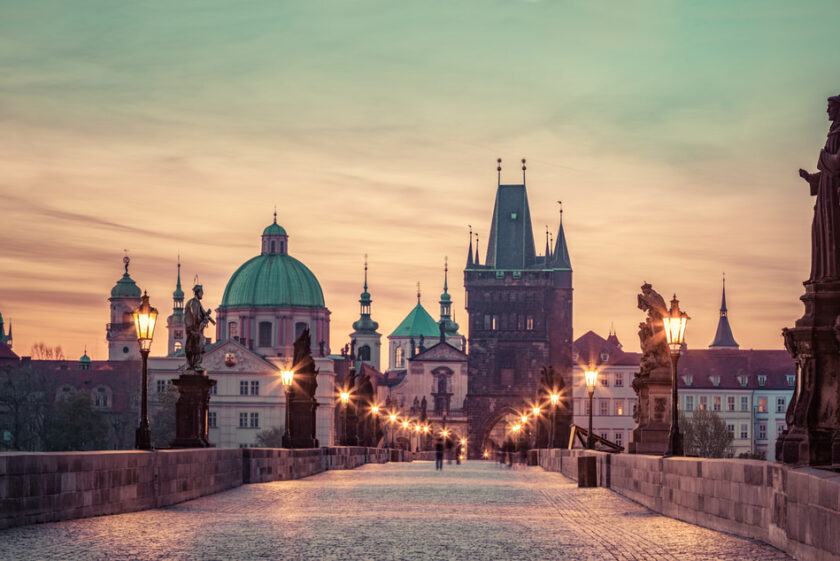
Charles Bridge is Prague’s most iconic landmark — and for good reason. Built between 1357 and 1402 under King Charles IV, this 500 metre Gothic bridge connects Old Town with Malá Strana and has survived floods, wars and centuries of footsteps. Whether you visit at dawn in the winter mist, at magic hour as the sun sets behind Prague Castle, or on a busy summer afternoon — Charles Bridge never disappoints. Here is everything our private Prague tour guides recommend knowing before you visit.
Before exploring its surroundings, know that it is, of course, essential to walk across Charles Bridge itself. Whether shrouded in winter fog (as in the video clip for Never Tear Us Apart by INXS or in the quiet mist of early morning (our personal favorite), Charles Bridge is an unmissable highlight of your stay in Prague.
If you’re not an early riser (or night owl…), you’ll likely stroll among the constant flow of tourists, slowed down by portrait artists, musicians, and street vendors.
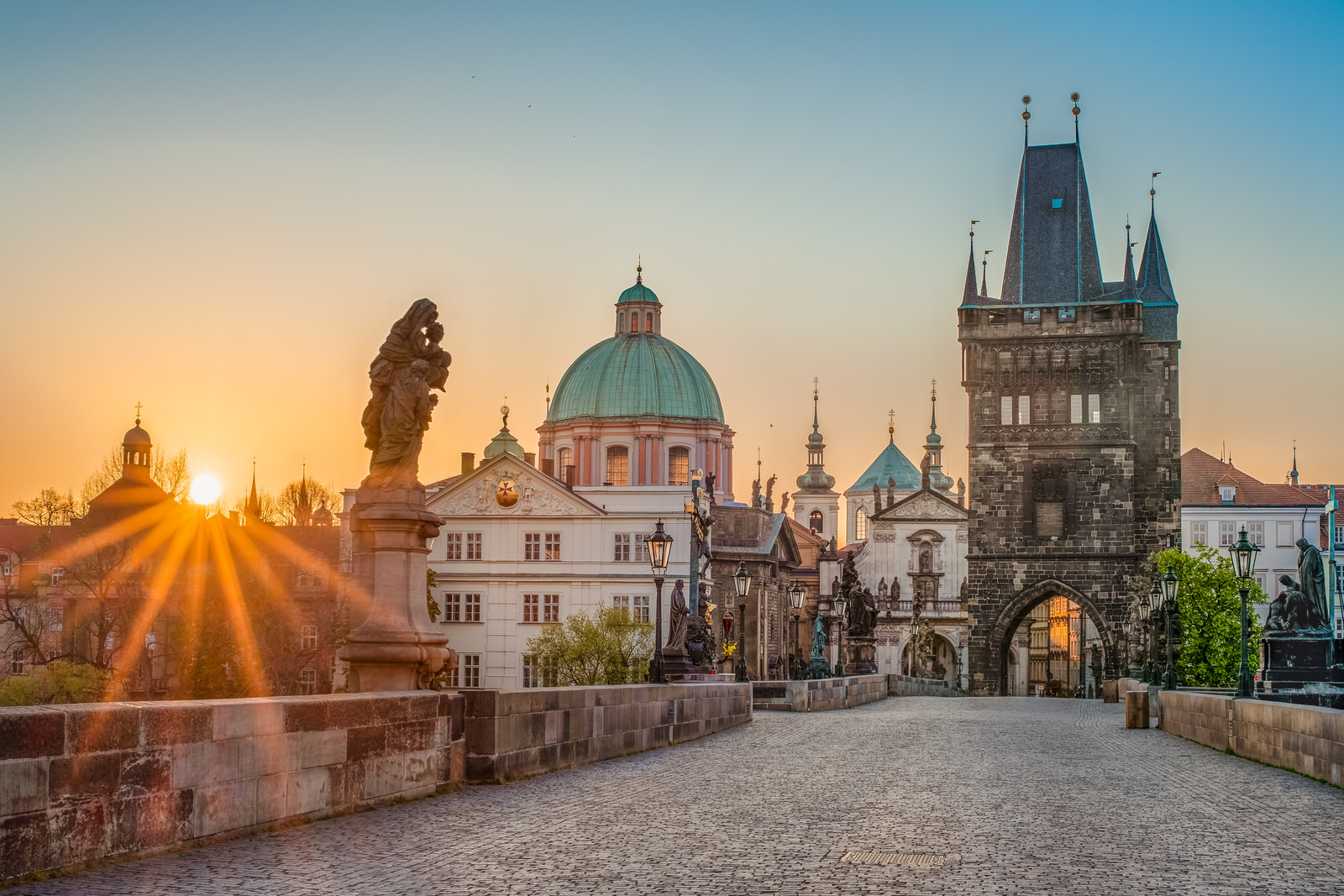
The single best advice we give every Gabriel Travel guest — visit Charles Bridge early. Before 7am the bridge is almost empty, the morning mist creates an extraordinary atmosphere and photographers have the statues entirely to themselves.
By 10am the bridge fills with tourists, portrait artists, musicians and street vendors — still enjoyable but a completely different experience. Midday in summer is the busiest — the bridge becomes genuinely difficult to walk across comfortably.
If early morning is not possible — late evening after 9pm is your second best option. The illuminated towers, Prague Castle backdrop and the reflection of lights on the Vltava make Charles Bridge at night one of Prague’s most romantic experiences. As seen in the INXS music video for Never Tear Us Apart — the winter fog on the bridge at night is something genuinely magical.
There are 30 Baroque statues lining Charles Bridge — most are 18th century replicas of originals now housed in the National Museum’s Lapidary. Two are worth stopping at specifically:
St John of Nepomuk — the most famous statue on the bridge. Nepomuk was thrown into the Vltava from this exact spot in 1393 on the orders of King Wenceslas IV. Touching the small bronze figure on the pedestal is said to bring good luck — the worn gold patch is visible from metres away.
St Francis Xavier — considered one of sculptor Ferdinand Brokoff’s finest works, created when he was just 23 years old. The figures at the base representing different nationalities — Chinese, Tatar, Indian — are extraordinary in their detail.


Most visitors cross Charles Bridge and walk straight into Old Town — missing some of the best discoveries immediately around it.
🌐 Website | Wikipedia | More Info
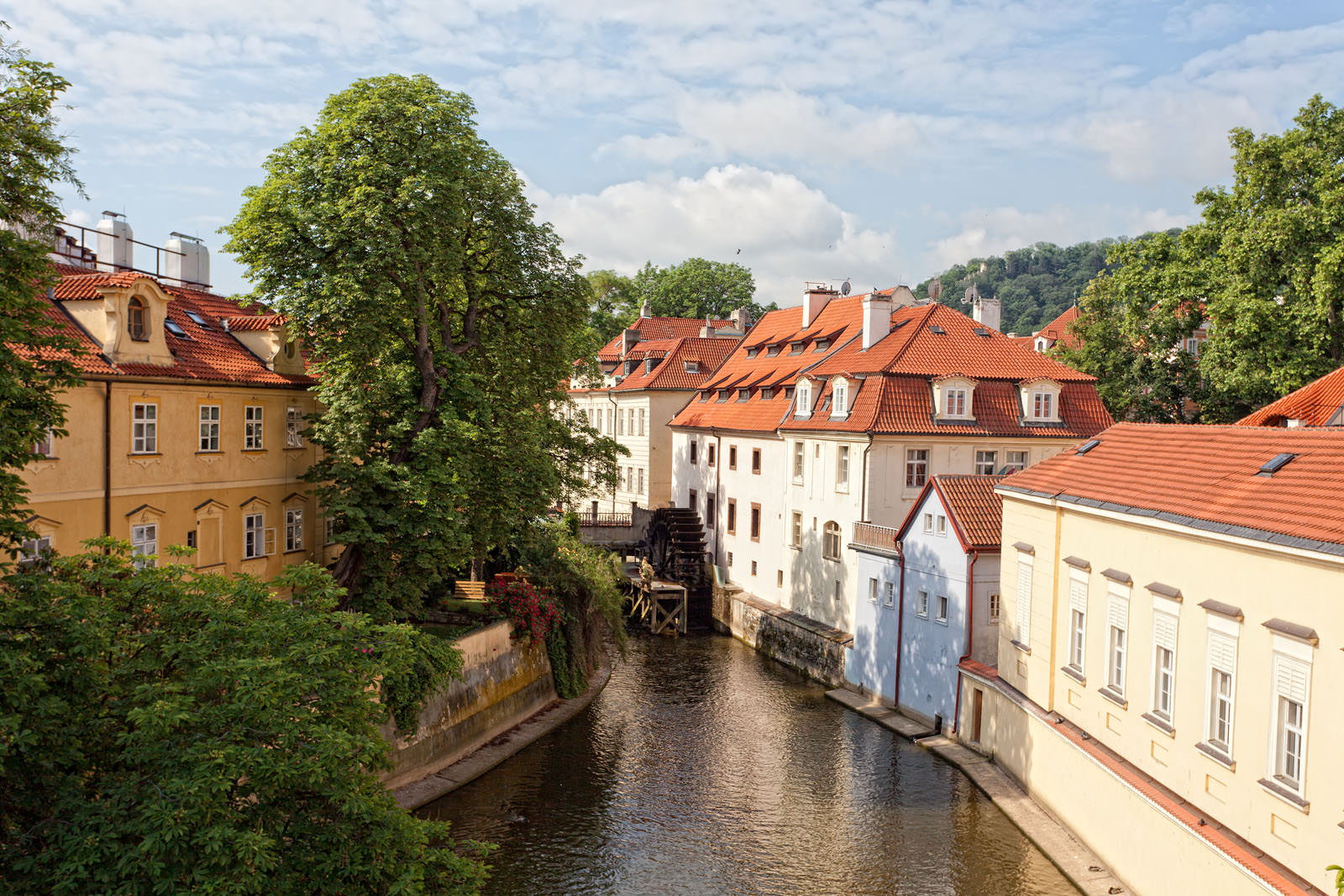
Turn right immediately after crossing toward Malá Strana and take the steps down to Na Kampě Street. The Museum Kampa houses (former mills converted in 2002 into a private museum) an impressive collection of Central European modern art including works censored under communism. Collected in Washington by Meda and Jan Mládek, they were later donated to Prague after the Velvet Revolution. The island itself — with its millstream, riverside park and independent galleries — is one of Prague’s most peaceful spots.
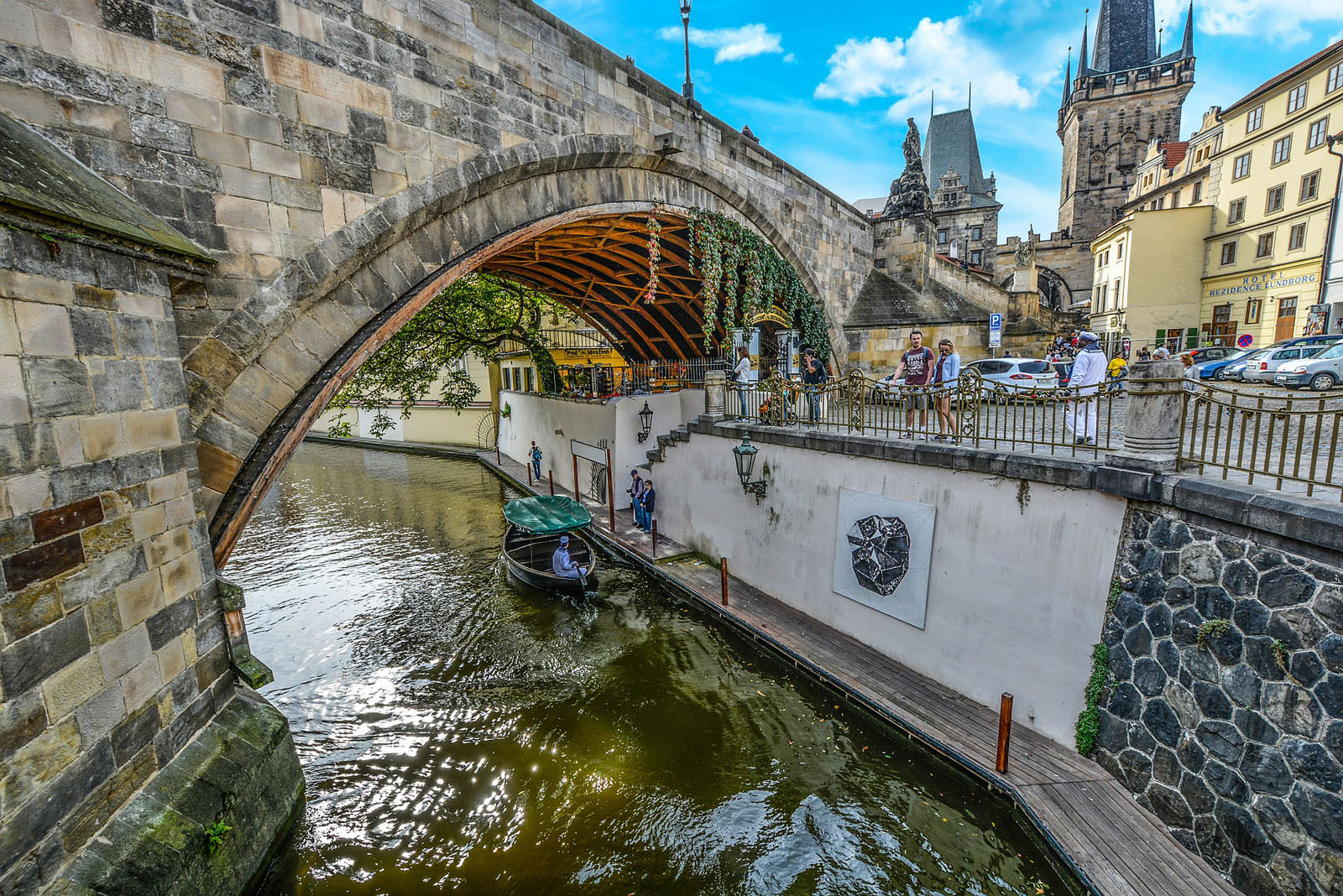
Tip: For history lovers, you’ll also find the Charles Bridge Museum at the Old Town end of the bridge!
🌐 Website | Instagram | YouTube
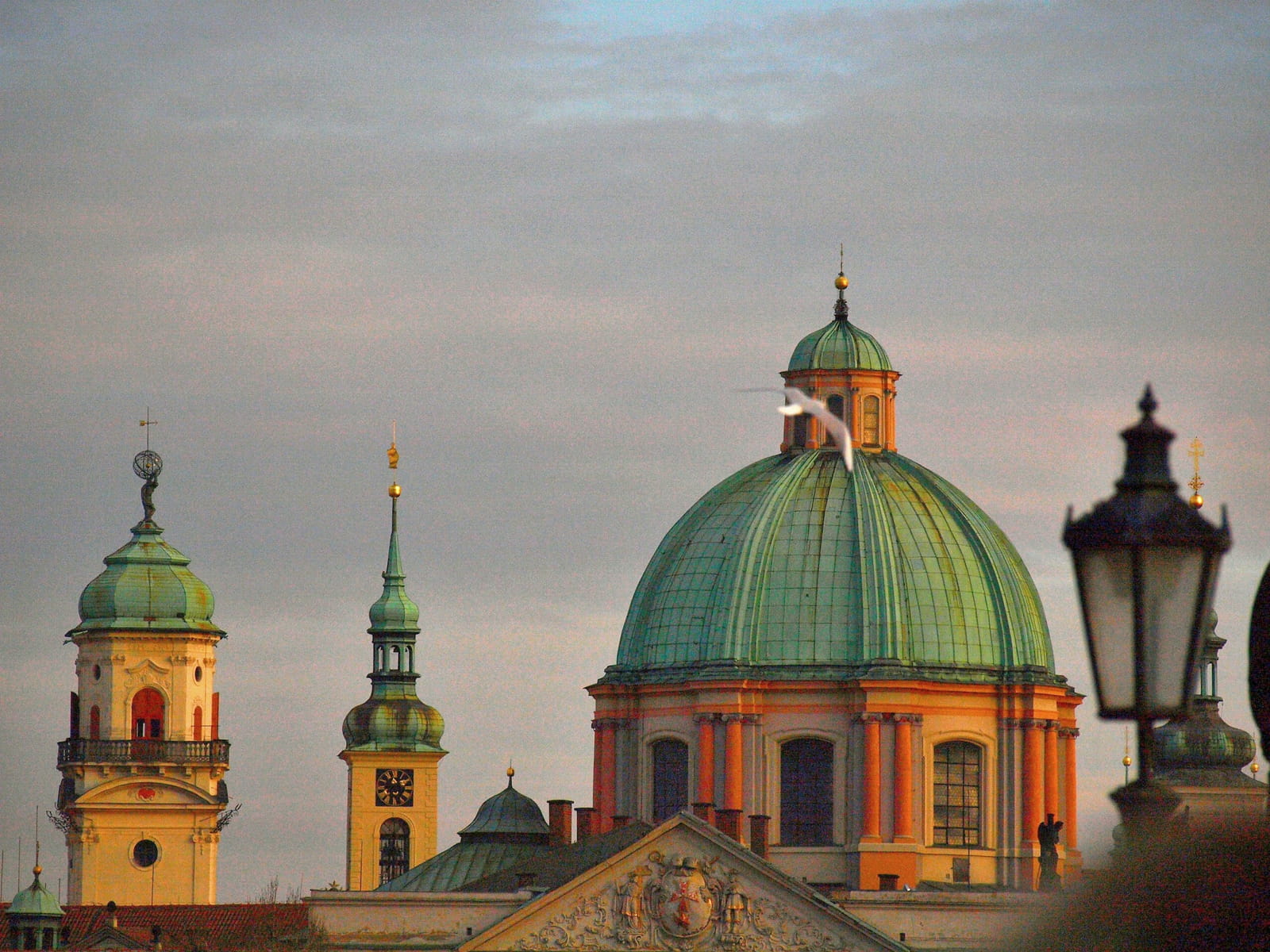
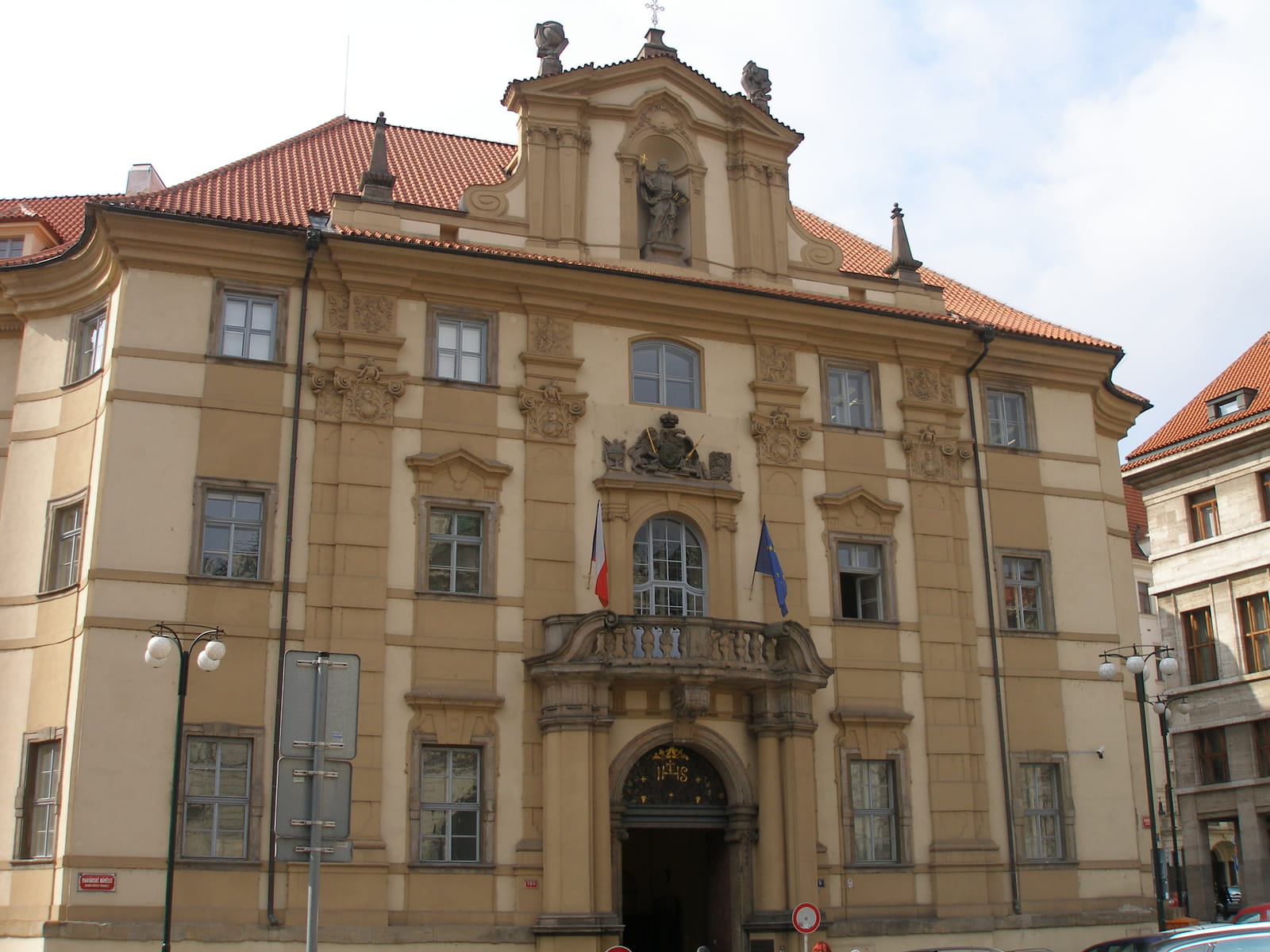
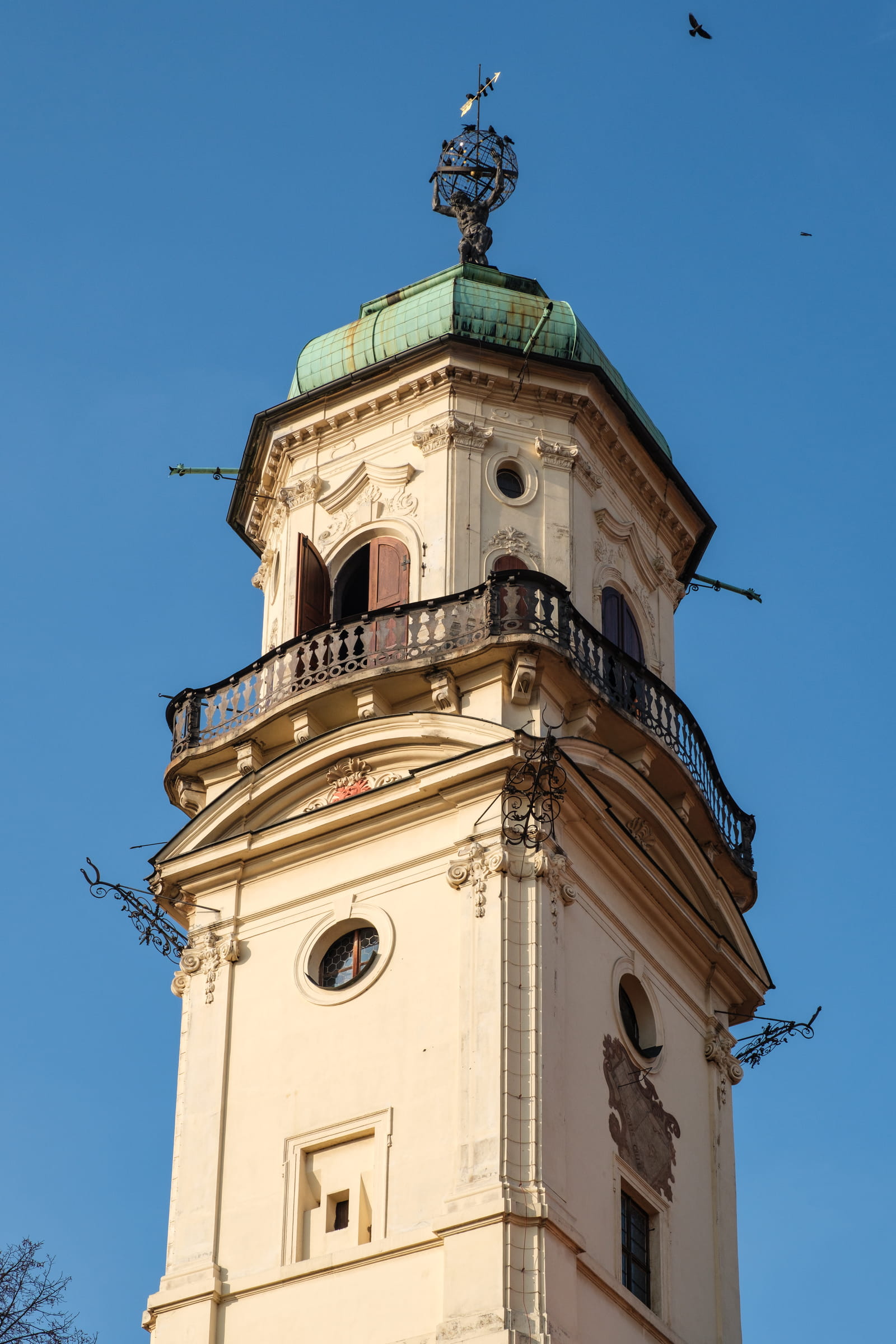
On the right bank, just steps from Charles Bridge, stands the Clementinum. Since 1781, it has housed the National Library. Covering two hectares, it’s the largest construction in Prague after the Castle.


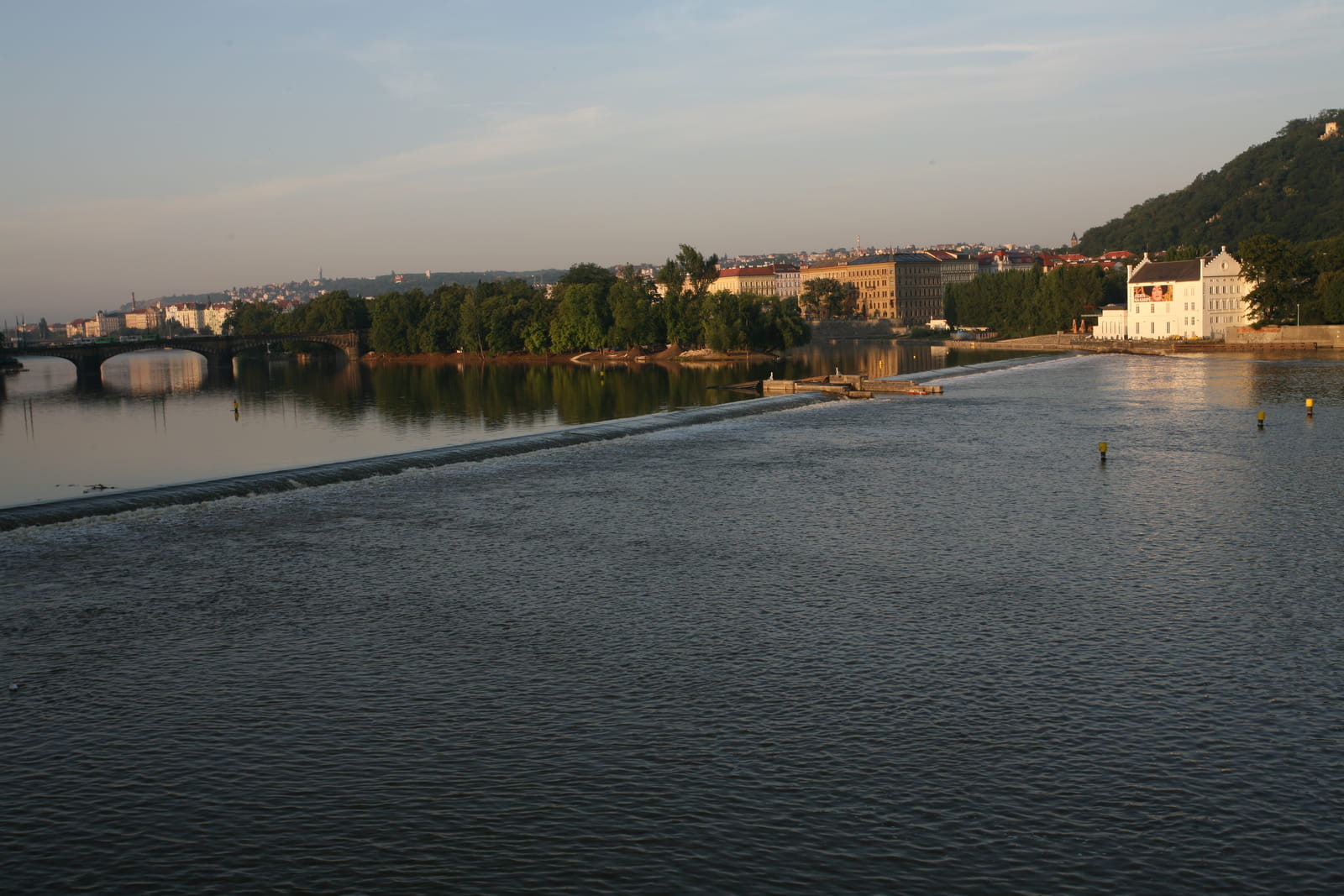
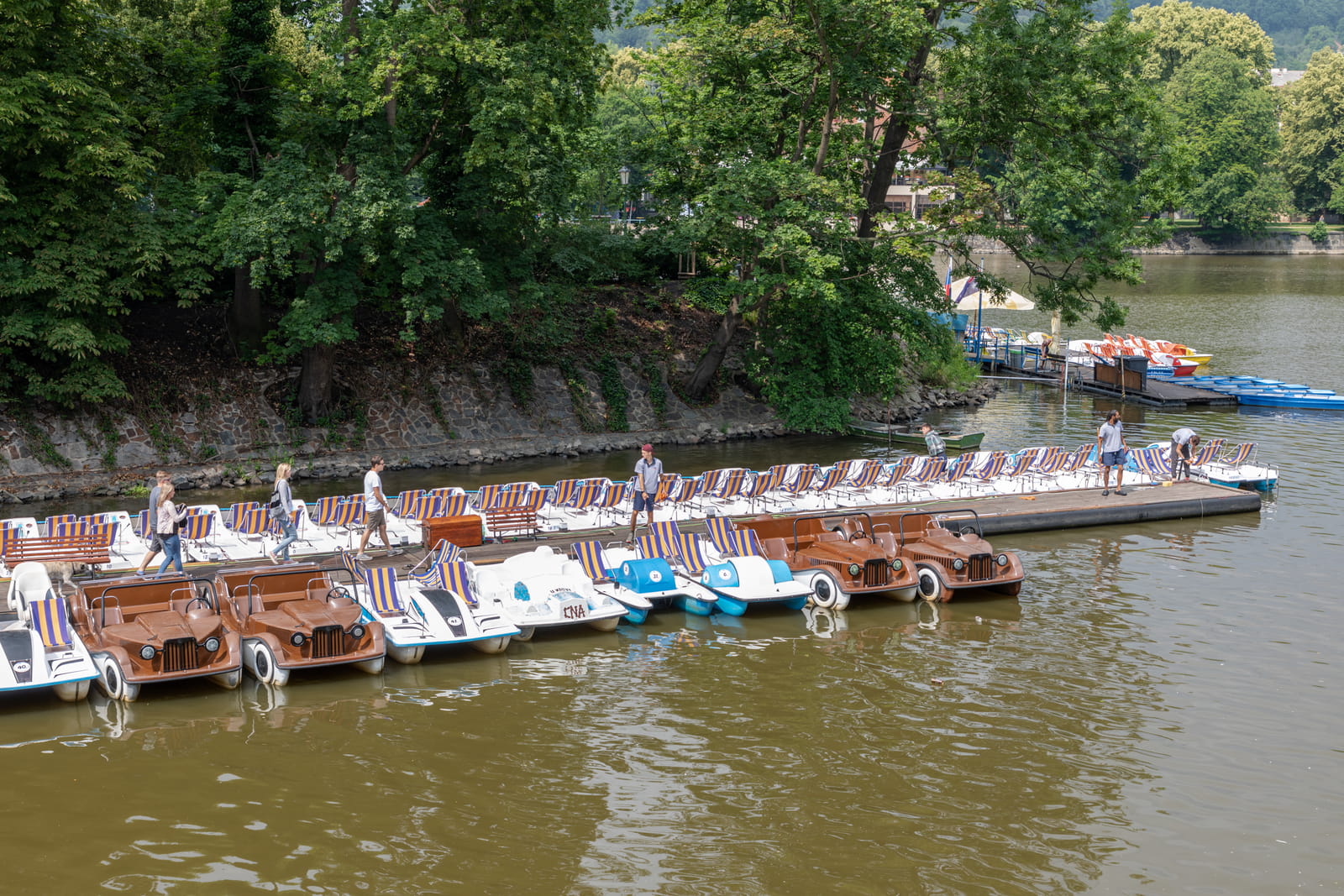
For a refreshing view of Charles Bridge, especially on hot days, rent a pedal boat! This increasingly popular activity lets you enjoy the river in a fun way. Find boats along the quays beneath Smetanovo nábřeží, or at Slovanský Island (also called Žofín), just upstream from the National Theatre.
Relaxing option: If you’d rather skip the pedaling, take a river cruise along the lovely Vltava.

Another pleasant walk runs along the river’s right bank, from Charles Bridge to the Rudolfinum. Along the way, you’ll capture stunning views of Prague Castle and the opposite riverbank.
Where to eat: Marina Ristorante (Alšovo nábřeží), a high-quality Italian restaurant located on a converted cargo ship—right by the water.
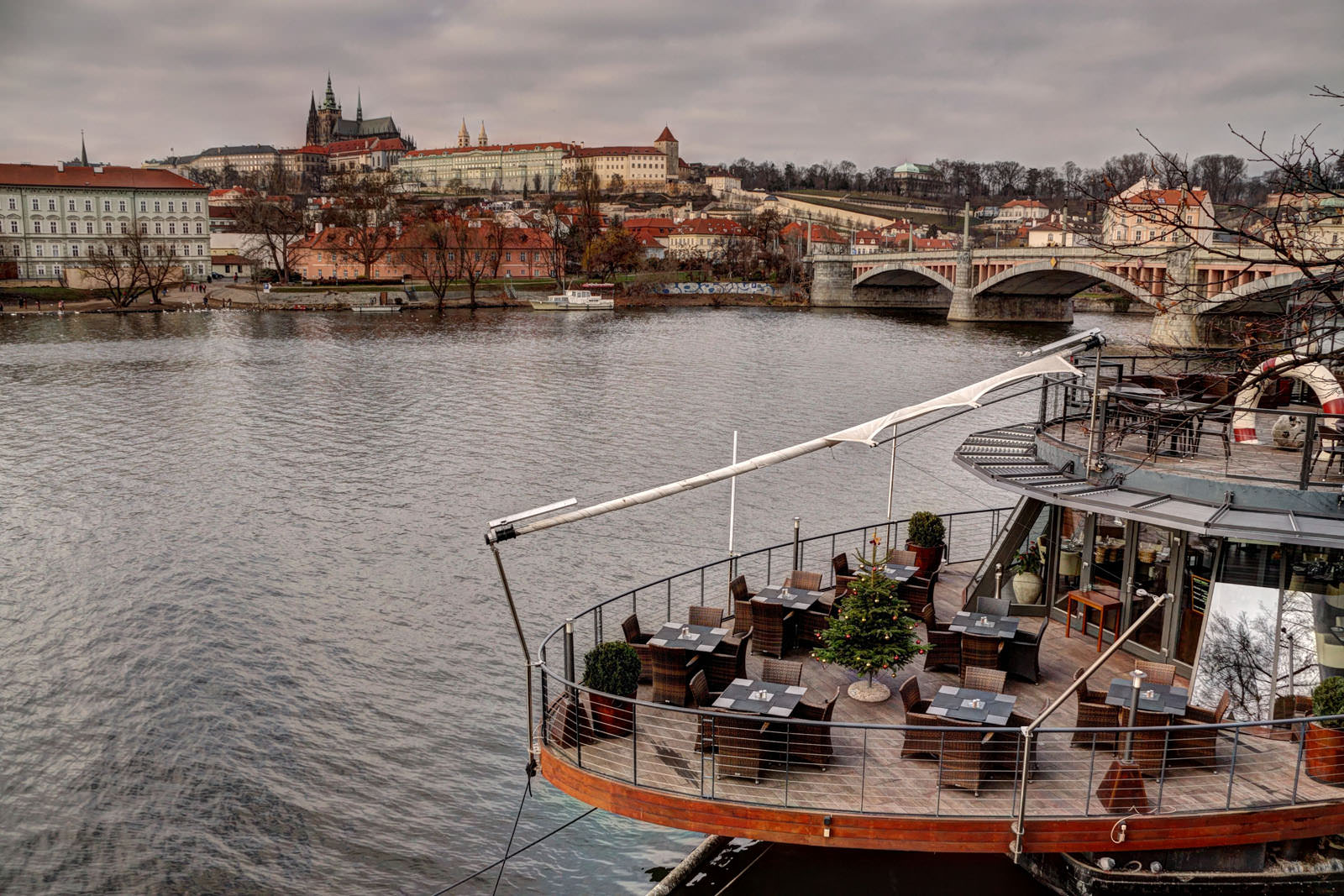
A cozy vegetarian restaurant Lehká Hlava, nicknamed “Clear Head,” this welcoming spot offers delicious vegetarian cuisine in a charming setting. You’ll even find “tofoie gras” made with tofu! Try sitting upstairs, above the stone staircase. At lunchtime, there’s a very affordable menu. Perfect for finding calm after the bustle of Charles Bridge.

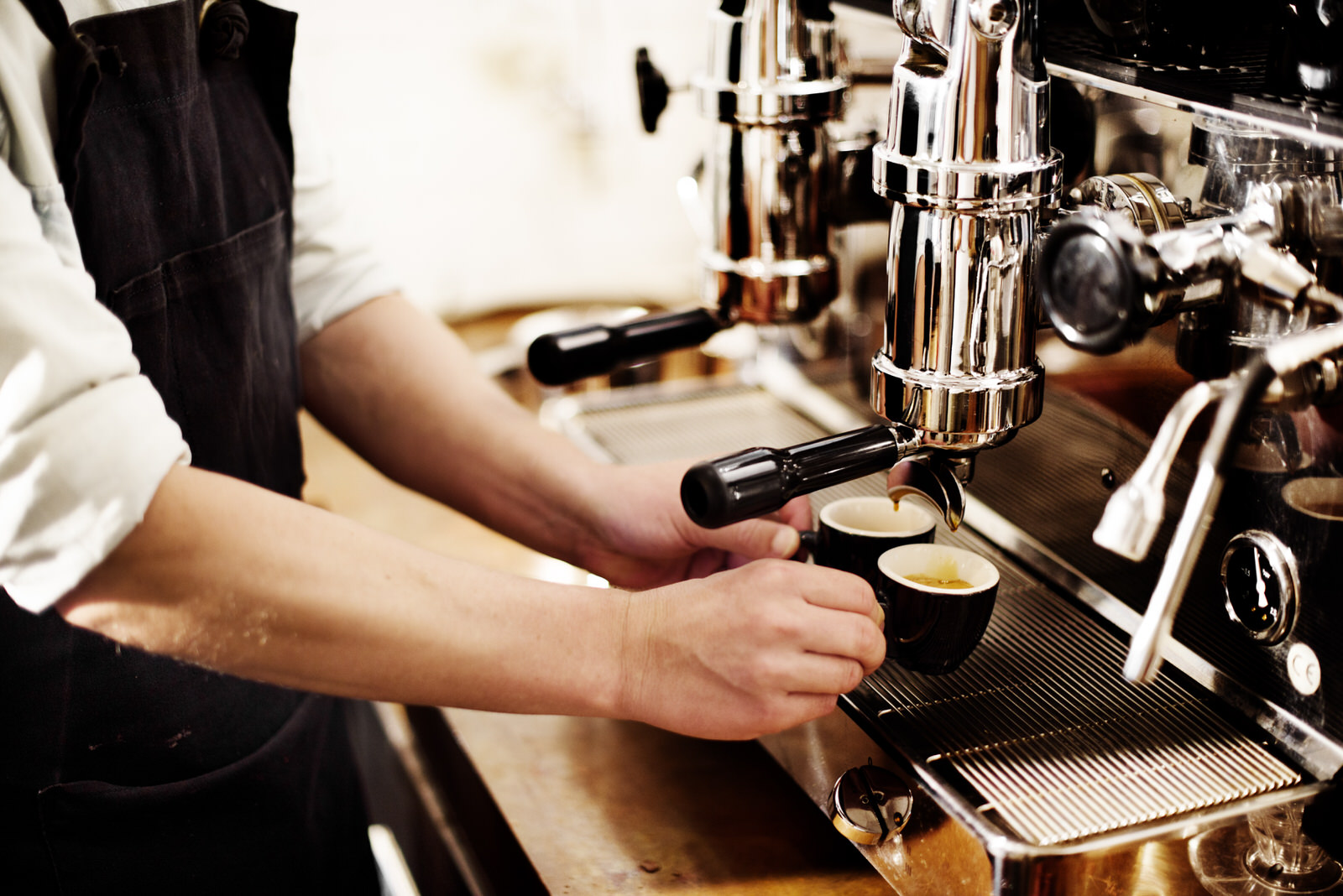
In charming Kampa Park, this old watermill has been transformed into a cozy café called Kavárna Mlýnská. Accessed by a little bridge over the Devil’s Canal (Čertovka), it attracts regulars year-round and offers a warm atmosphere. You might even spot works by the famous Prague artist David Černý!

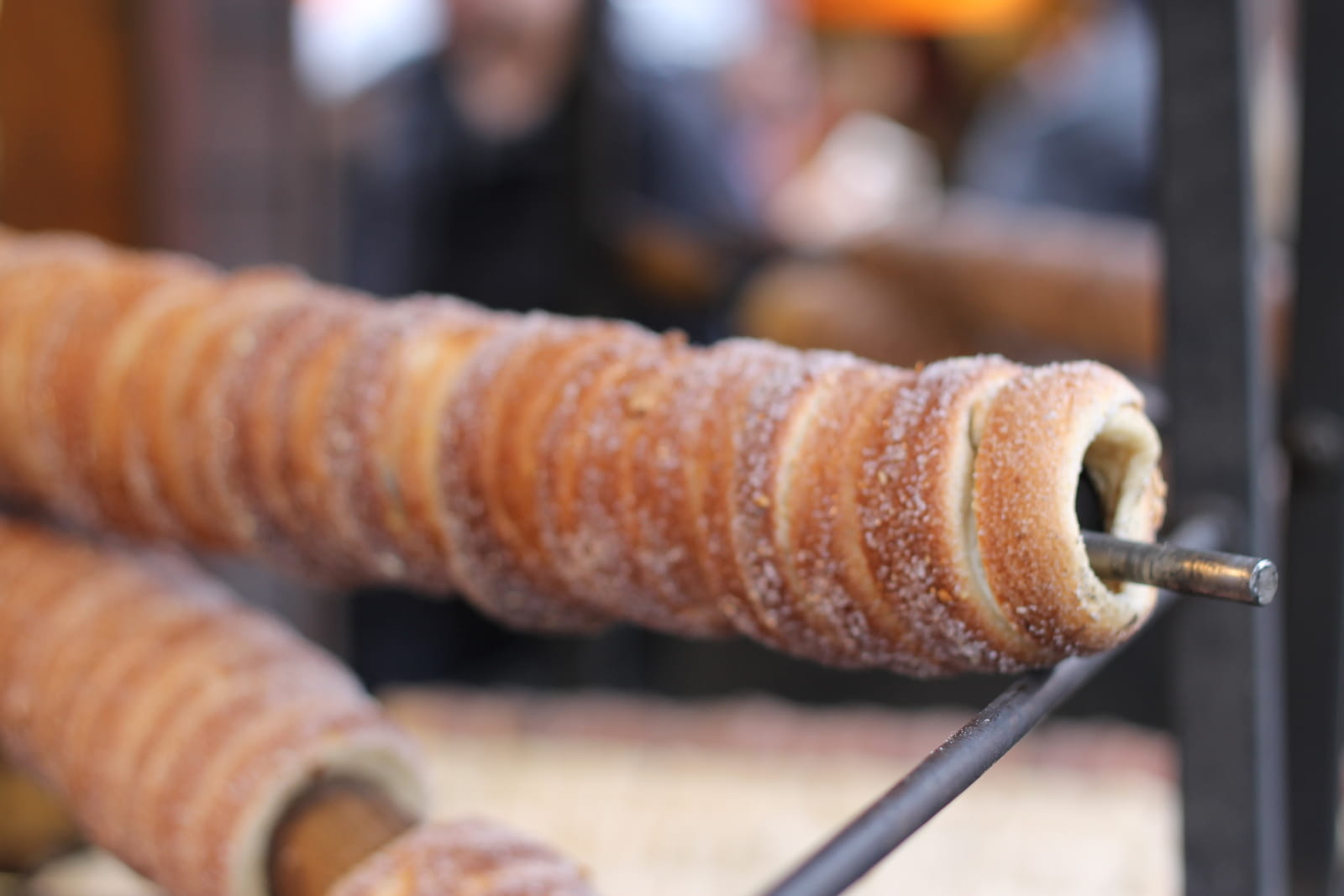
Try the famous trdelník! Locals may say it’s not very “authentic”, but everyone in Prague enjoys trdelník, a Slovak pastry made by wrapping dough around a wooden spit and baking it over embers. Look out for the giant “trdelník” signs above stalls in markets and squares.
Charles Bridge is one of Europe’s most photographed locations — getting a distinctive shot requires timing and positioning.
Best light: Golden hour immediately after sunrise or 30 minutes before sunset — the warm light on the Gothic towers and Prague Castle creates the classic postcard image.
Best position: From the riverbank below rather than on the bridge itself — the Smetanovo nábřeží walkway on the right bank gives you the full bridge span with towers at both ends.
Best time for empty bridge photos: Before 6am in summer, before 7am in winter. Our Prague photography tour specifically times the Charles Bridge visit for magic hour — contact us if you want to capture the bridge at its most photogenic.
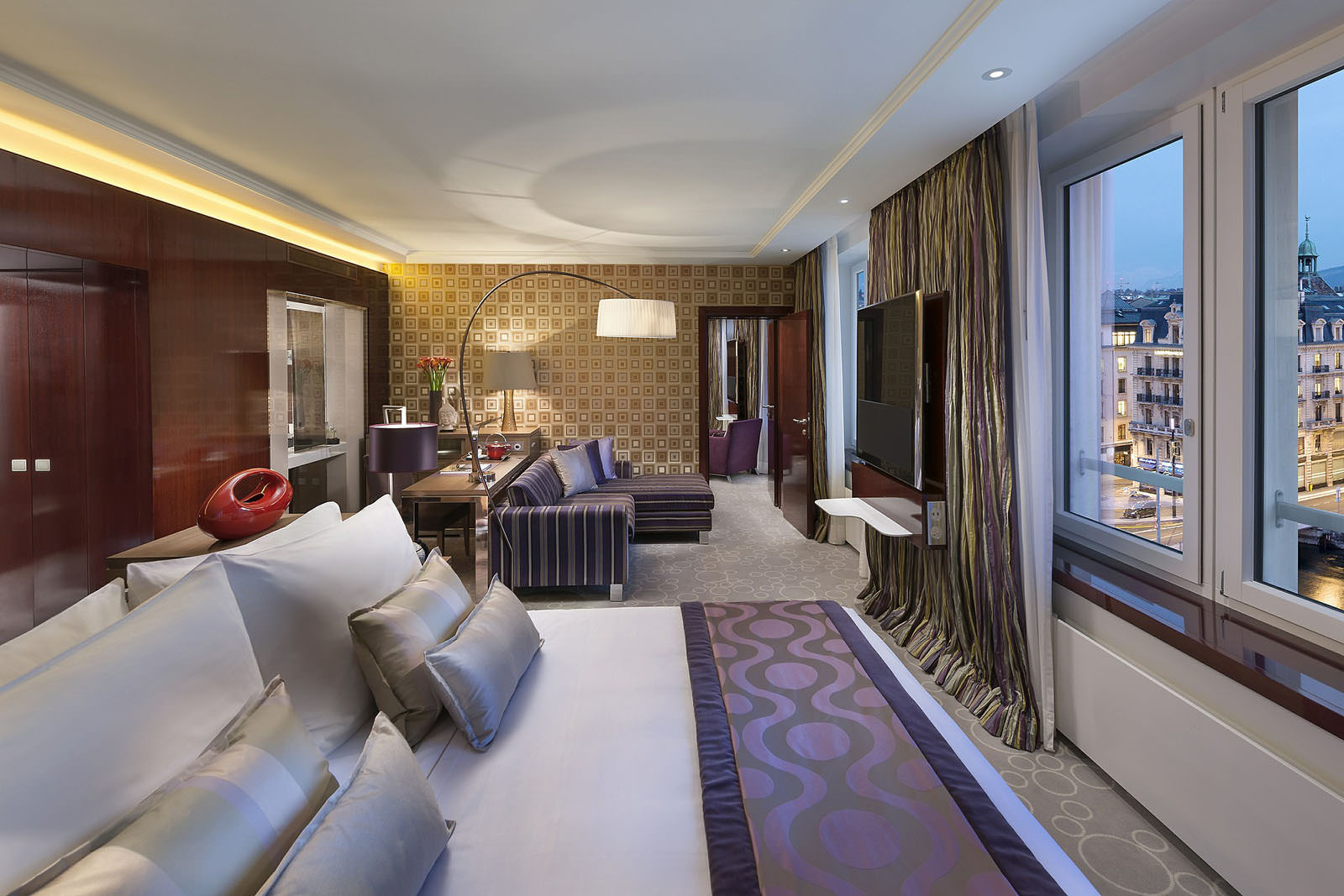
For a truly unique stay right at the foot of Charles Bridge, look no further than Hotel U Tří Pštrosů (The Three Ostriches Hotel). This Renaissance-style boutique hotel has just 18 rooms and books up far in advance.
Another top choice: Hotel Pod Věží. Guests rave about its comfort and in-house restaurant.

On the left bank Blue Light Bar — a dimly lit bar covered floor to ceiling in graffiti. With locals in their 30s, good cocktails, loud music, and a lively vibe, it’s a great place to mingle.
On the right bank (the more festive side), Duender is eclectic, bustling, and attracts a mix of locals and expats. Friendly staff, late closing hours, and a reputation as a nightlife staple.


On the left bank Karlovy Lázně — the largest nightclub in Central Europe! Housed in former public baths just steps from the bridge, it features five floors with five different music styles: mainstream, dance, oldies, hip hop, and chill-out. Open daily until 5 AM, it’s a favorite among tourists and young crowds.
Charles Bridge connects directly to Old Town Square via Karlova Street — a 10 minute walk through atmospheric winding lanes. On the Malá Strana side it leads toward Prague Castle — a 20 minute uphill walk through Lesser Town’s beautiful Baroque streets.
Both routes are covered on our private Prague walking tours — with the history, stories and hidden details that make the journey between landmarks as interesting as the landmarks themselves.
Planning to visit Charles Bridge on your Prague trip?
Our private Prague walking tours include Charles Bridge with expert local commentary on its history, statues, legends and the best spots for photography — fully tailored to your interests and pace.